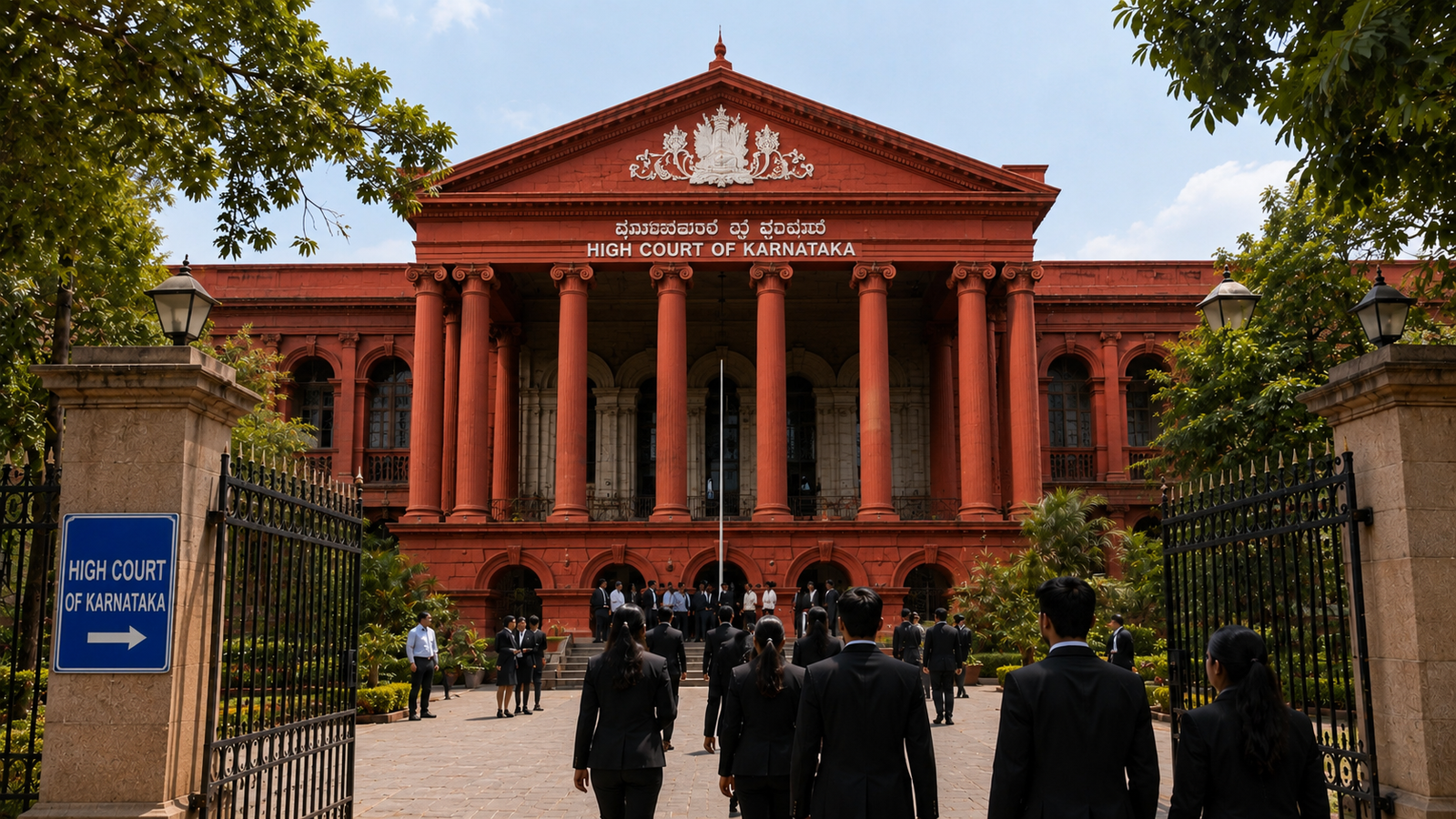
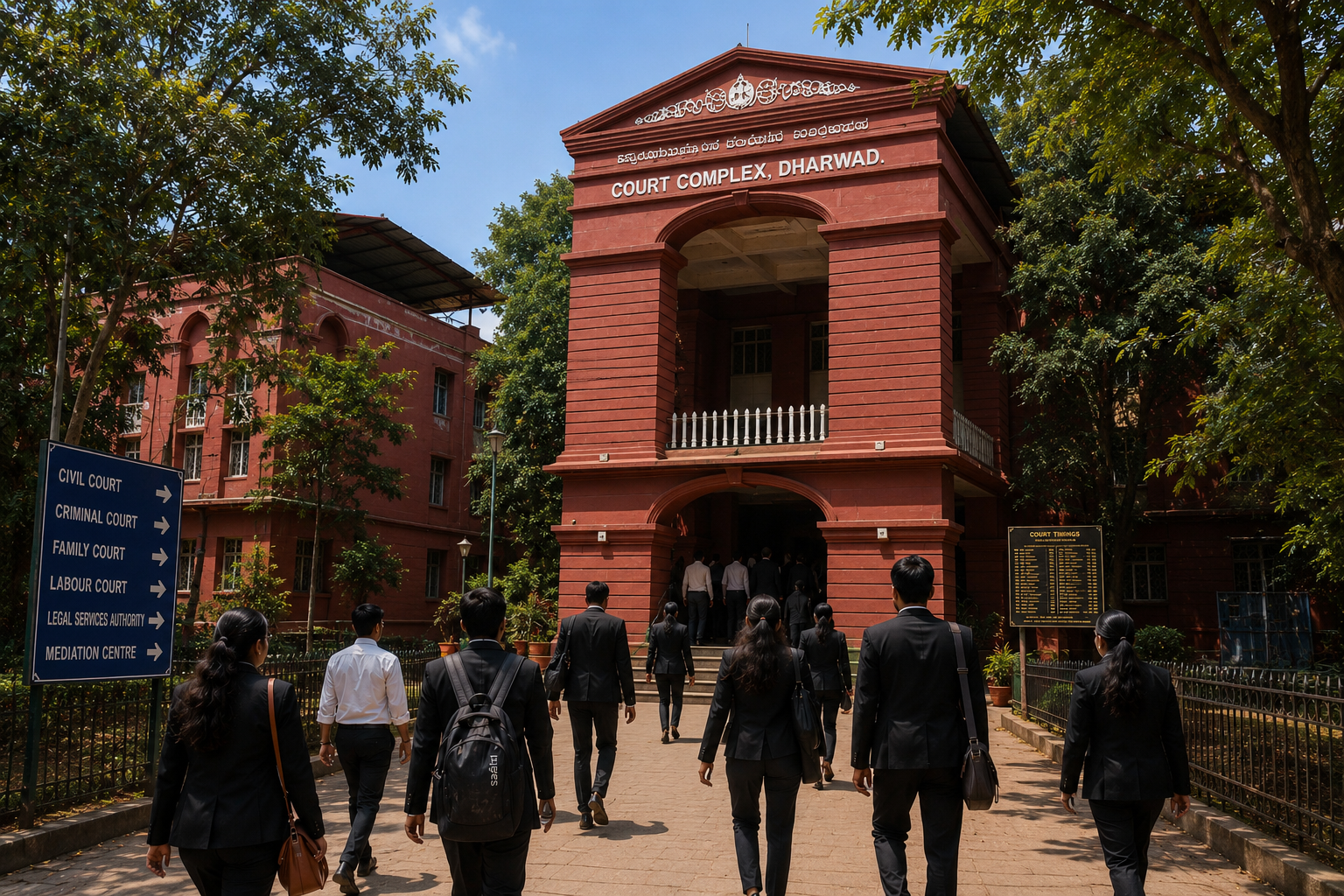
The Court Visit
Where Classroom Theory Meets Courtroom Reality
Court Room Visits & Trial Observations: Bridging Theory and Practice
Overview
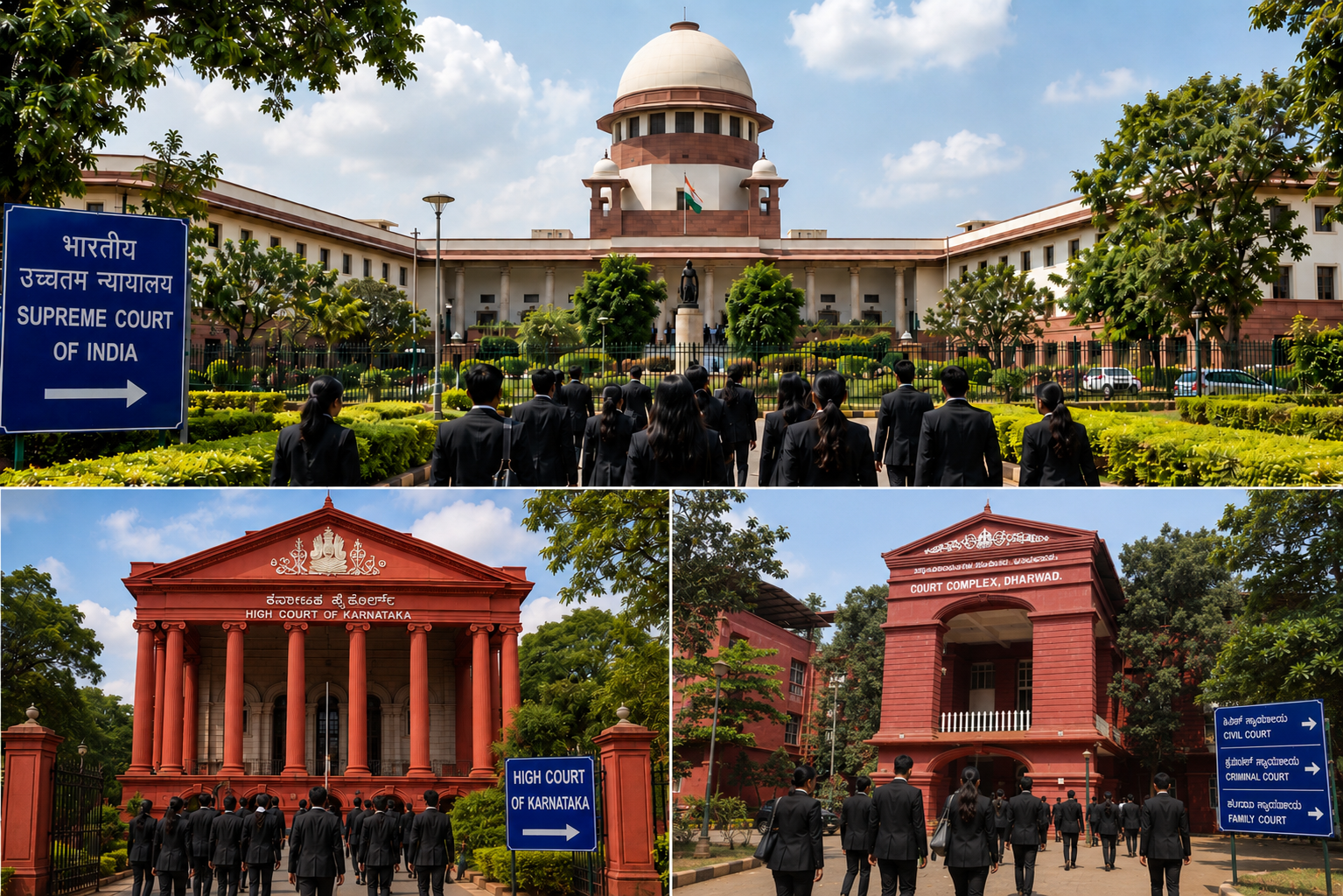
At DBHP Sabha’s Shri P V Joshi Law College, Dharwad, we believe that legal education is incomplete without observing the machinery of justice in action. In accordance with the BCI Rules of Legal Education, our 3-year LLB program integrates mandatory Court Room Visits, ensuring that every student gains firsthand exposure to judicial procedures, professional ethics, and courtroom dynamics.
Significance of Court Visits
• Procedural Exposure: Observing the day-to-day operations of District and Session Courts, Family Courts, and Consumer Forums.
• Professional Etiquette: Learning the essential courtroom decorum, the relationship between the bench and the bar, and the nuances of professional conduct.
• Witness Examination: Gaining insights into the practical application of the Indian Evidence Act, specifically the art of examination-in-chief, cross-examination, and re-examination of witnesses.
The BCI Mandate: What Students Learn
• Beyond Adversarial Law: We teach students that effective lawyering isn’t just about “winning” a trial; it’s about identifying the Zone of Possible Agreement (ZOPA) to reach mutually beneficial outcomes.
• Professional Reputation: Skilled negotiation—characterized by active listening, rapport building, and clarity—is what builds a lawyer’s reputation within the professional community.
• Crisis Management: Negotiators must remain calm and adaptable under pressure. Our training builds the emotional intelligence required to handle high-stakes disputes while maintaining professional decorum.
• Strategic Preparation: Students learn to research and identify the Best Alternative to a Negotiated Agreement (BATNA), ensuring they never enter a negotiation without a clear strategy and fallback plan.
- • **Crisis Management:** Negotiators must remain calm and adaptable under pressure. Our training builds the emotional intelligence required to handle high-stakes disputes while maintaining professional decorum. • **Strategic Preparation:** Students learn to research and identify the Best Alternative to a Negotiated Agreement (BATNA), ensuring they never enter a negotiation without a clear strategy and fallback plan.
- Minimum GPA/grade requirements as set by the university.
- For graduate programs: a recognized bachelor’s degree with required CGPA.
- For graduate programs: a recognized bachelor’s
Logistics & Safety
• Structured Scheduling: Visits are organized periodically throughout the academic year, supervised by faculty members who act as mentors.
• Institutional Support: The college facilitates necessary entry permissions and provides orientation briefings before each visit to ensure students know what to observe.
• Safety & Decorum: Students are provided with a “Code of Conduct for Court Visits,” ensuring they maintain the highest level of professionalism while representing the institution in public judicial spaces.
- • **Crisis Management:** Negotiators must remain calm and adaptable under pressure. Our training builds the emotional intelligence required to handle high-stakes disputes while maintaining professional decorum. • **Strategic Preparation:** Students learn to research and identify the Best Alternative to a Negotiated Agreement (BATNA), ensuring they never enter a negotiation without a clear strategy and fallback plan.
- Minimum GPA/grade requirements as set by the university.
- For graduate programs: a recognized bachelor’s degree with required CGPA.
- For graduate programs: a recognized bachelor’s
Student Deliverables
• Details of the court visited and the presiding judge.
• The nature of the case (civil, criminal, etc.).
• Key legal arguments presented by both parties.
• The student’s analytical observations on the legal procedure followed.
- Completed secondary education (HSC/A-Level/Equivalent).
- Minimum GPA/grade requirements as set by the university.
- For graduate programs: a recognized bachelor’s degree with required CGPA.
- For graduate programs: a recognized bachelor’s
Filter By Reset
Division
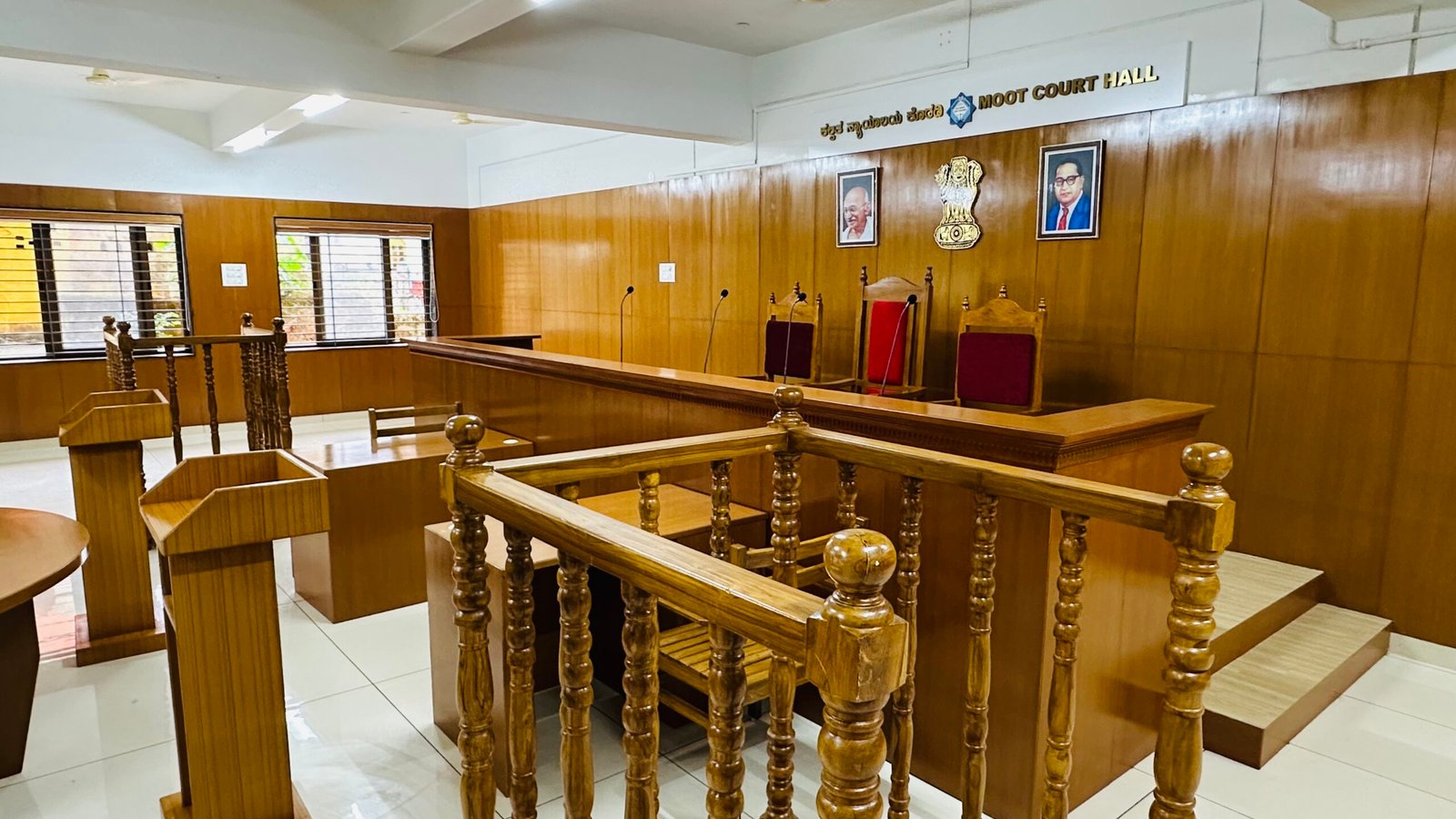
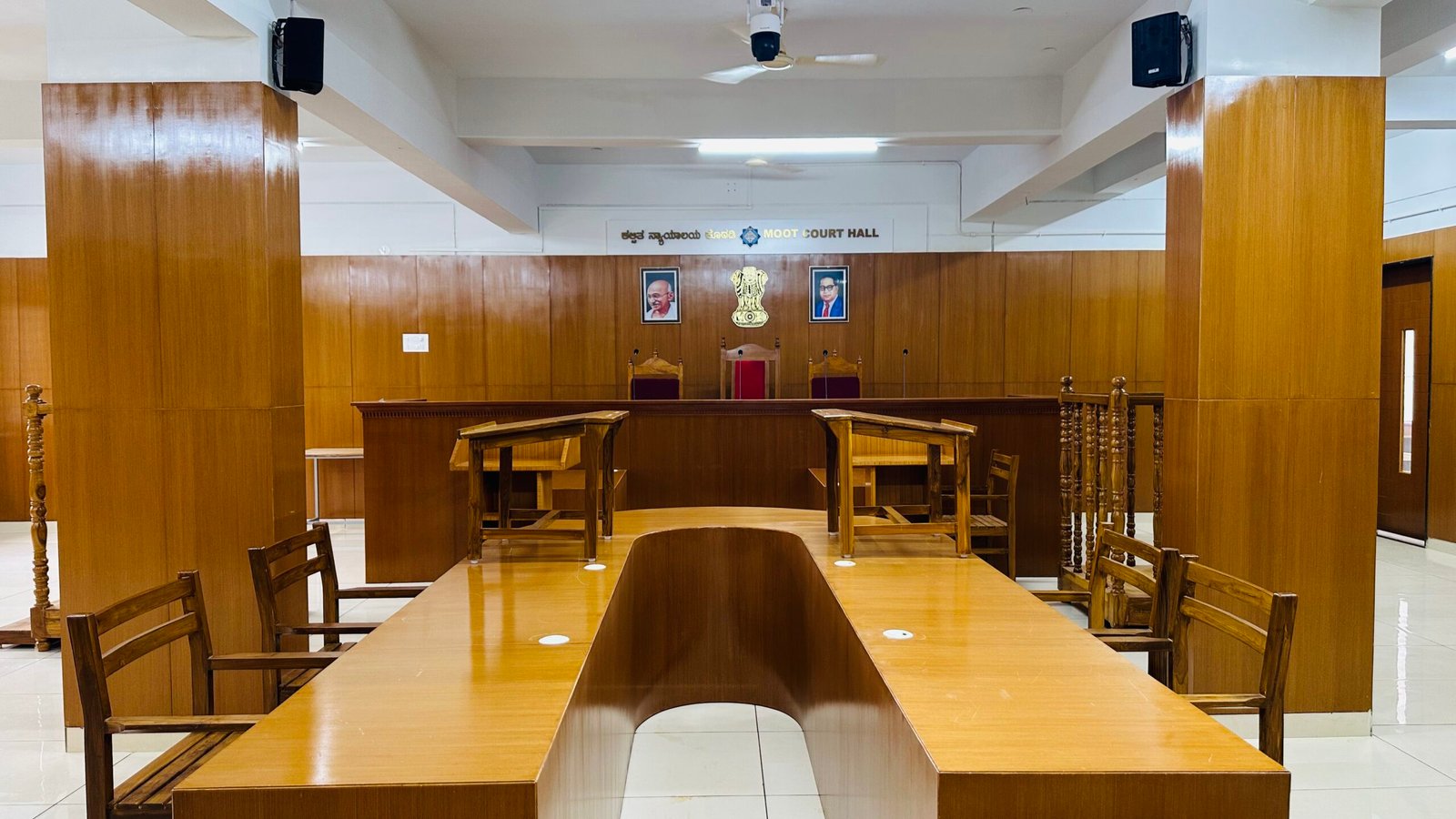
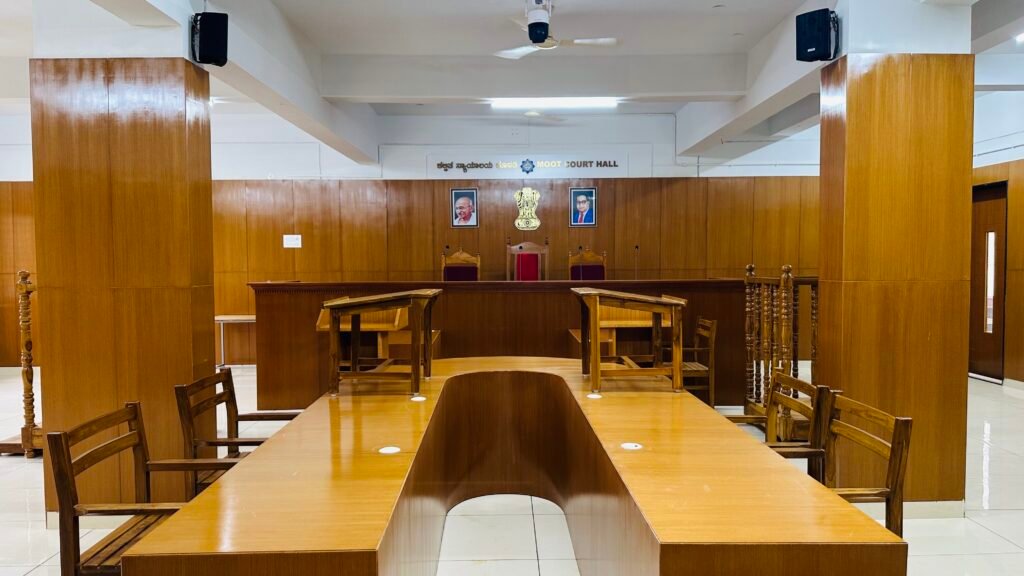
Moot Court Hall
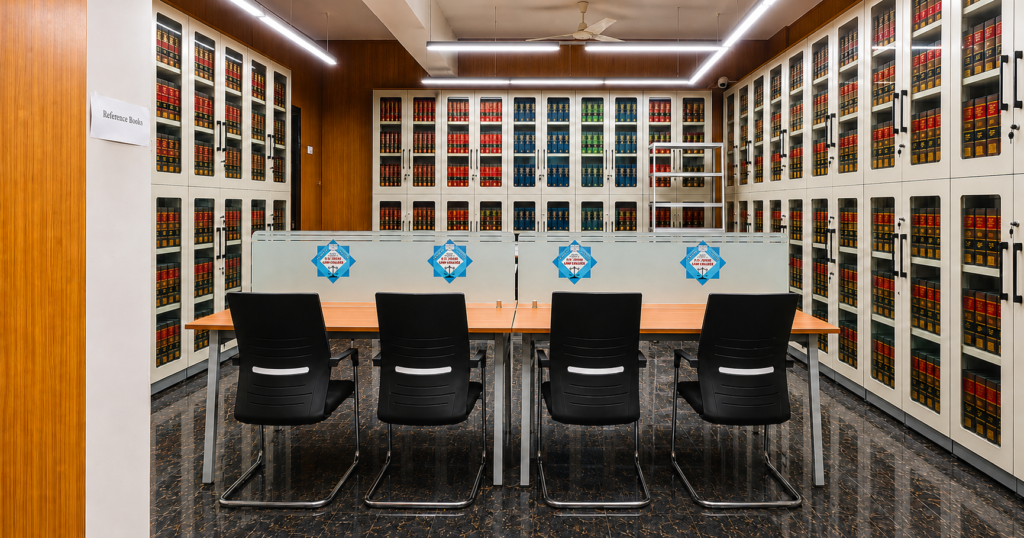
Univet education goes beyond textbooks and classrooms believe in empowering students
Read More