


Alternative Dispute Resolutions
Moving You Forward, Out of Court.
Alternative Dispute Resolution (ADR): Training the Mediators of Tomorrow
Our Commitment to ADR
At DBHP Sabha’s Shri P V Joshi Law college, Dharwad, we recognize that litigation is only one path to justice. In line with the BCI Rules of Legal Education and the growing global emphasis on out-of-court settlements, we integrate comprehensive training in Arbitration, Mediation, and Conciliation into our 3-year LLB curriculum. We empower our students to resolve disputes efficiently, ethically, and amicably.

Significance of ADR Training
- Practical Problem Solving: We move beyond adversarial mindsets, teaching students how to negotiate effectively and find win-win solutions for parties in conflict.
- Procedural Mastery: In accordance with the Arbitration and Conciliation Act, 1996, students are trained to understand the nuances of arbitral proceedings, the role of the arbitrator, and the enforceability of arbitral awards.
- Developing Essential Soft Skills: ADR training sharpens a student’s ability to practice active listening, empathy, neutral facilitation, and persuasive negotiation—skills that are critical for any successful legal professional.
- Career Readiness: With the surge in commercial arbitration and court-mandated mediation, our graduates are equipped with a specialized skill set that is highly valued by law firms, corporate houses, and international dispute resolution bodies.
- Completed secondary education (HSC/A-Level/Equivalent).
- Minimum GPA/grade requirements as set by the university.
- For graduate programs: a recognized bachelor’s degree with required CGPA.
- For graduate programs: a recognized bachelor’s
Our ADR Training Framework
Our clinical ADR program includes:
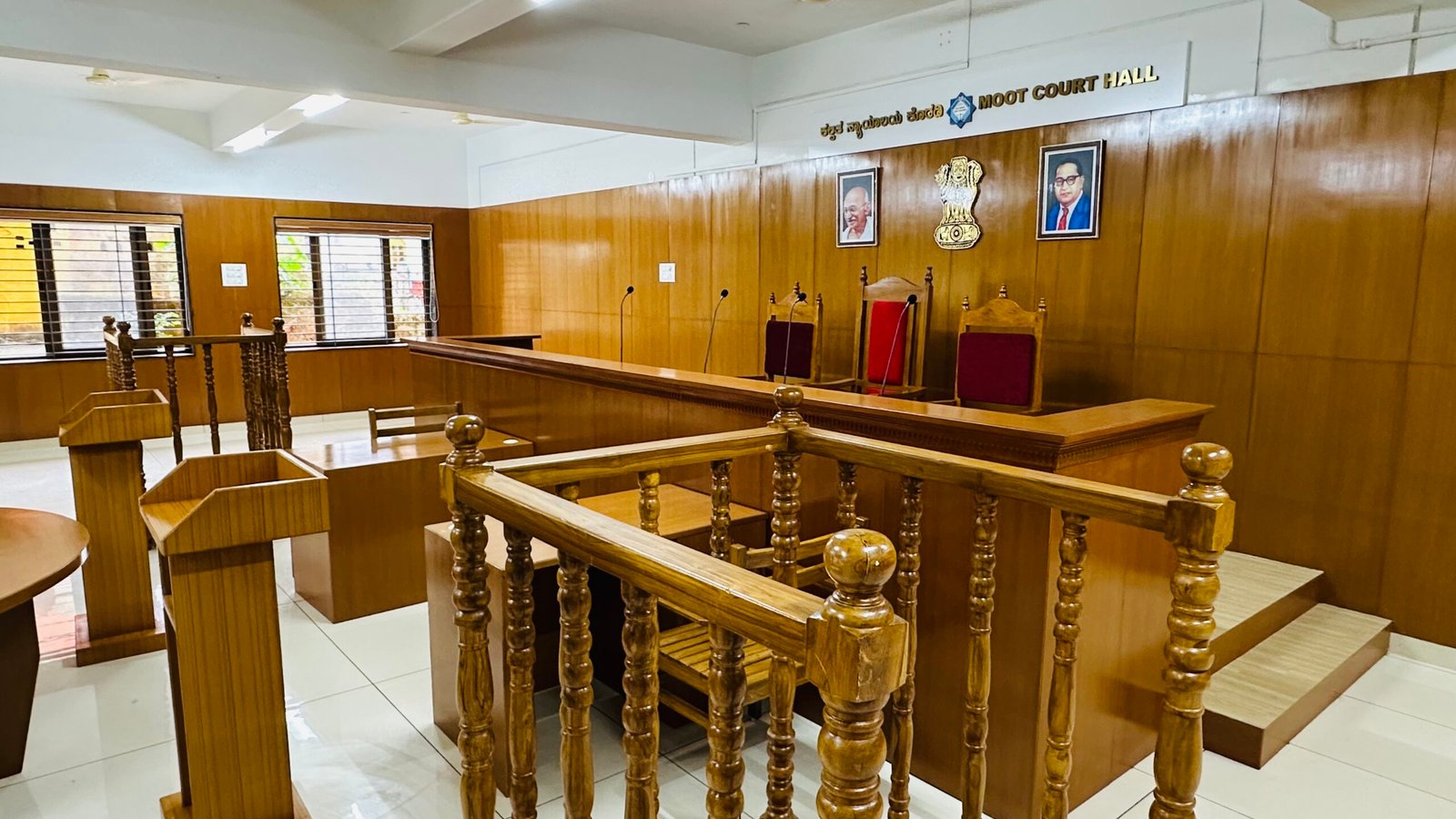
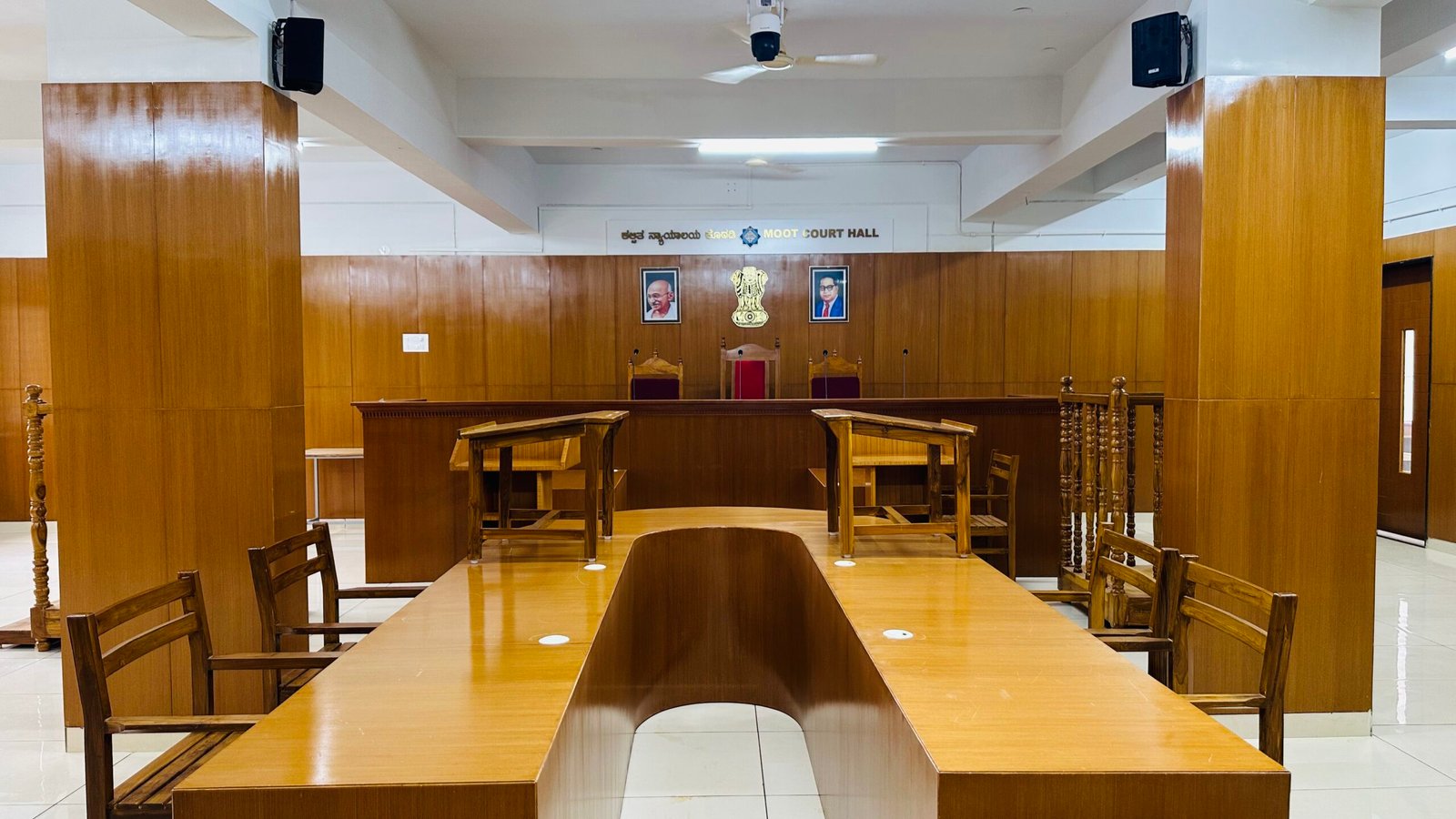
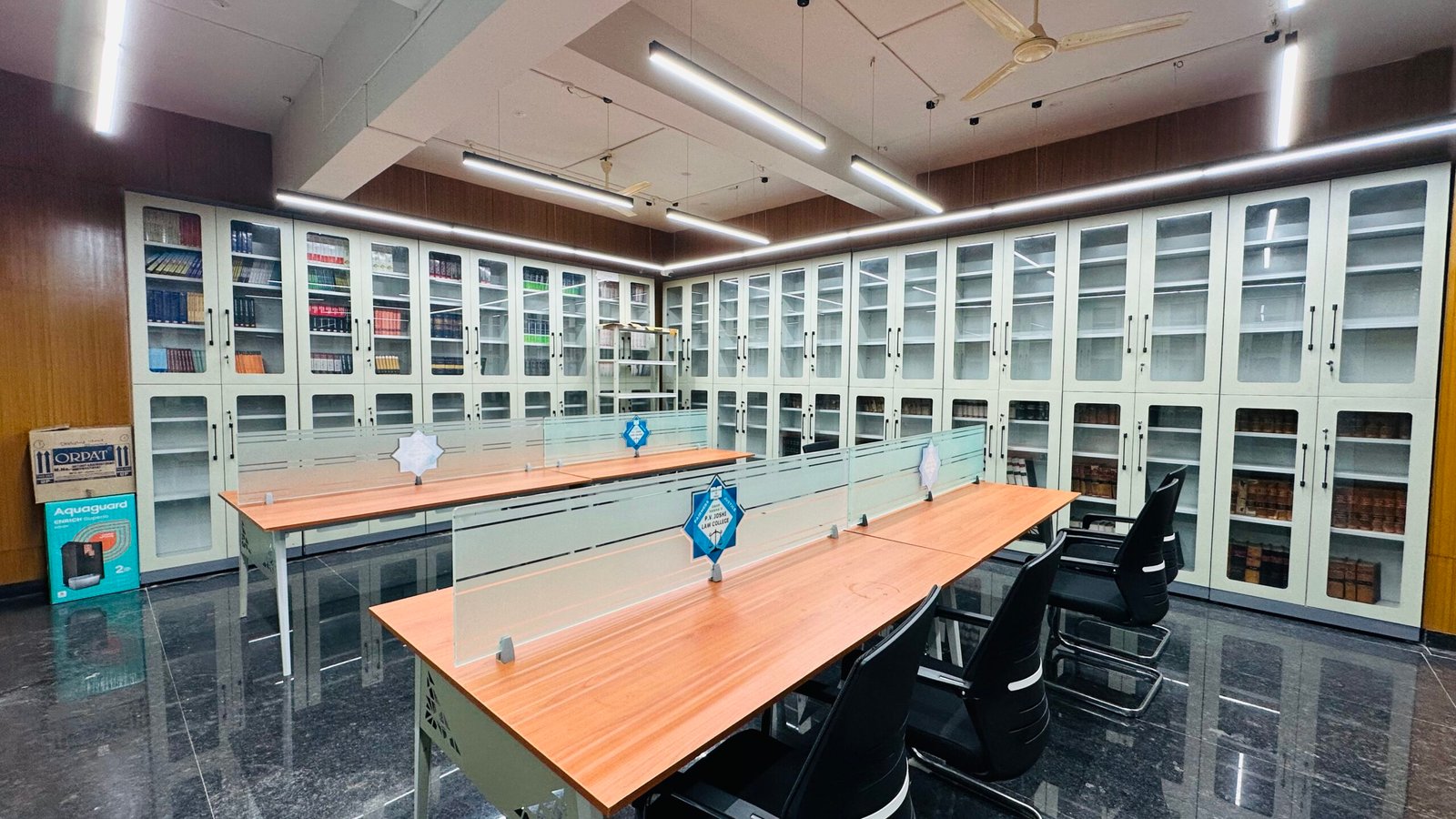
- Simulation Exercises: Conducting mock arbitration and mediation sessions within our campus facilities, where students play the roles of arbitrators, mediators, and counsel.
- Expert Workshops: Inviting retired judges, certified mediators, and practicing arbitrators to conduct hands-on training sessions.
- Case Studies: Analyzing landmark arbitration awards and mediation outcomes to understand the strategic and legal complexities of ADR.
- ADR Competitions: Encouraging student participation in national-level Mediation and Negotiation competitions to test their skills against peers from across the country.
- Completed secondary education (HSC/A-Level/Equivalent).
- Minimum GPA/grade requirements as set by the university.
- For graduate programs: a recognized bachelor’s degree with required CGPA.
- For graduate programs: a recognized bachelor’s
Why ADR is Crucial for Future Lawyers
- Efficiency: Learning to save time and costs for clients through structured dispute resolution.
- Confidentiality: Understanding the importance of privacy in commercial and family disputes.
- Party Autonomy: Fostering a legal practice that respects the right of parties to choose their forum and method of resolution.
- Maintaining Relationships: Learning how to settle disputes without destroying the underlying relationship between the parties—a key skill in family and commercial law.
- Completed secondary education (HSC/A-Level/Equivalent).
- Minimum GPA/grade requirements as set by the university.
- For graduate programs: a recognized bachelor’s degree with required CGPA.
- For graduate programs: a recognized bachelor’s