

Mediation
The Neutral Path to a Shared Agreement
Mediation & Conflict Resolution: Facilitating Justice
Our Commitment to Mediation
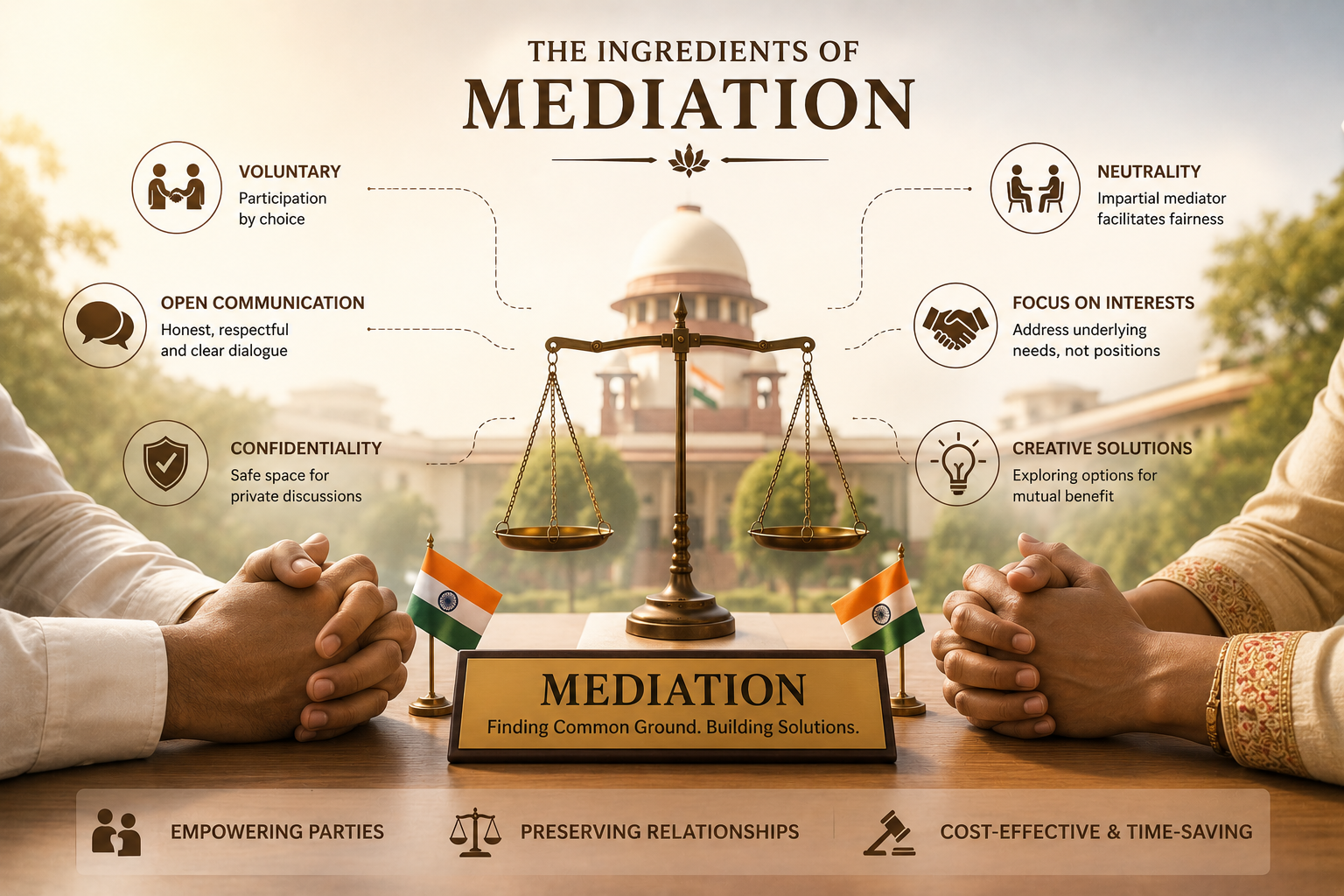
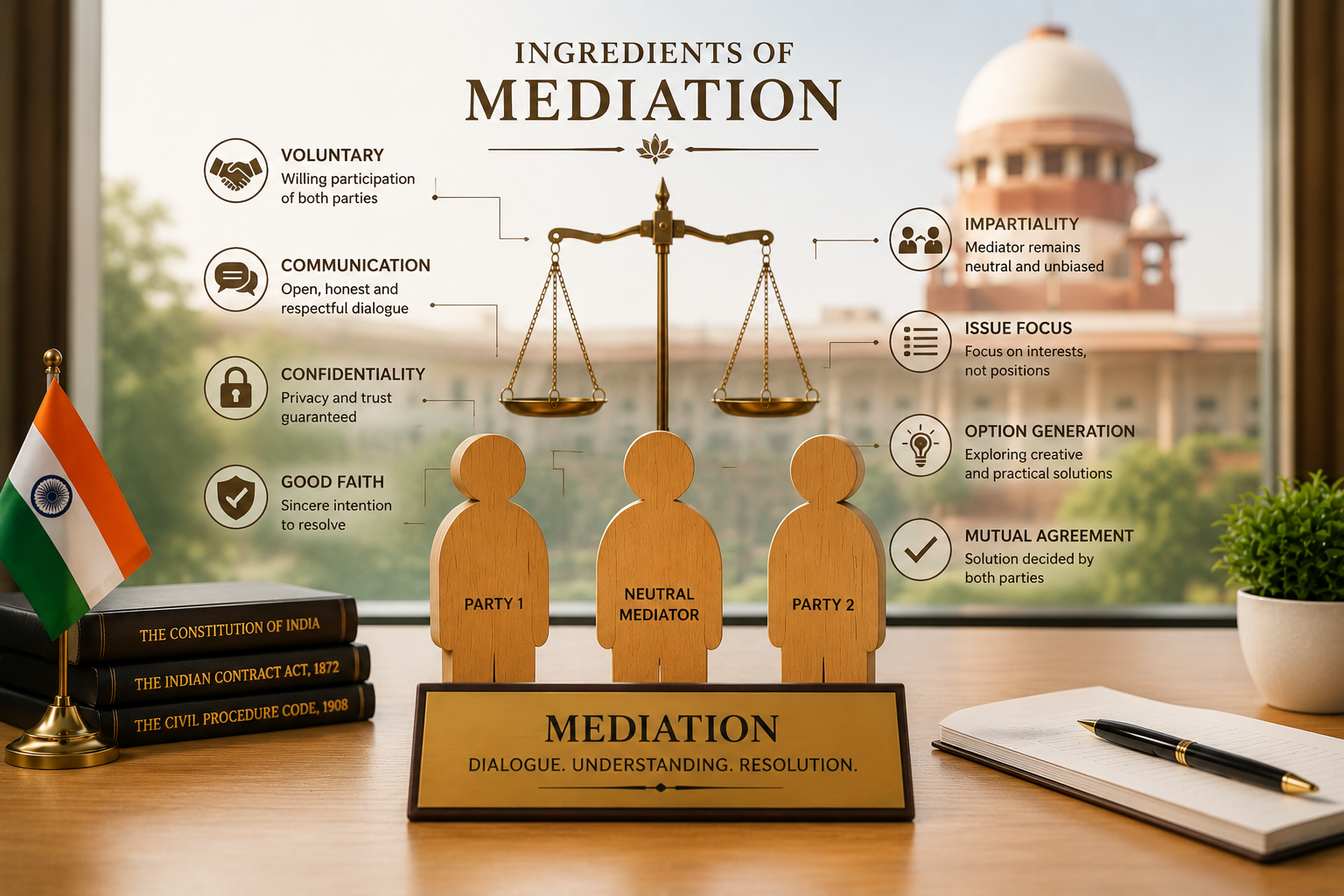
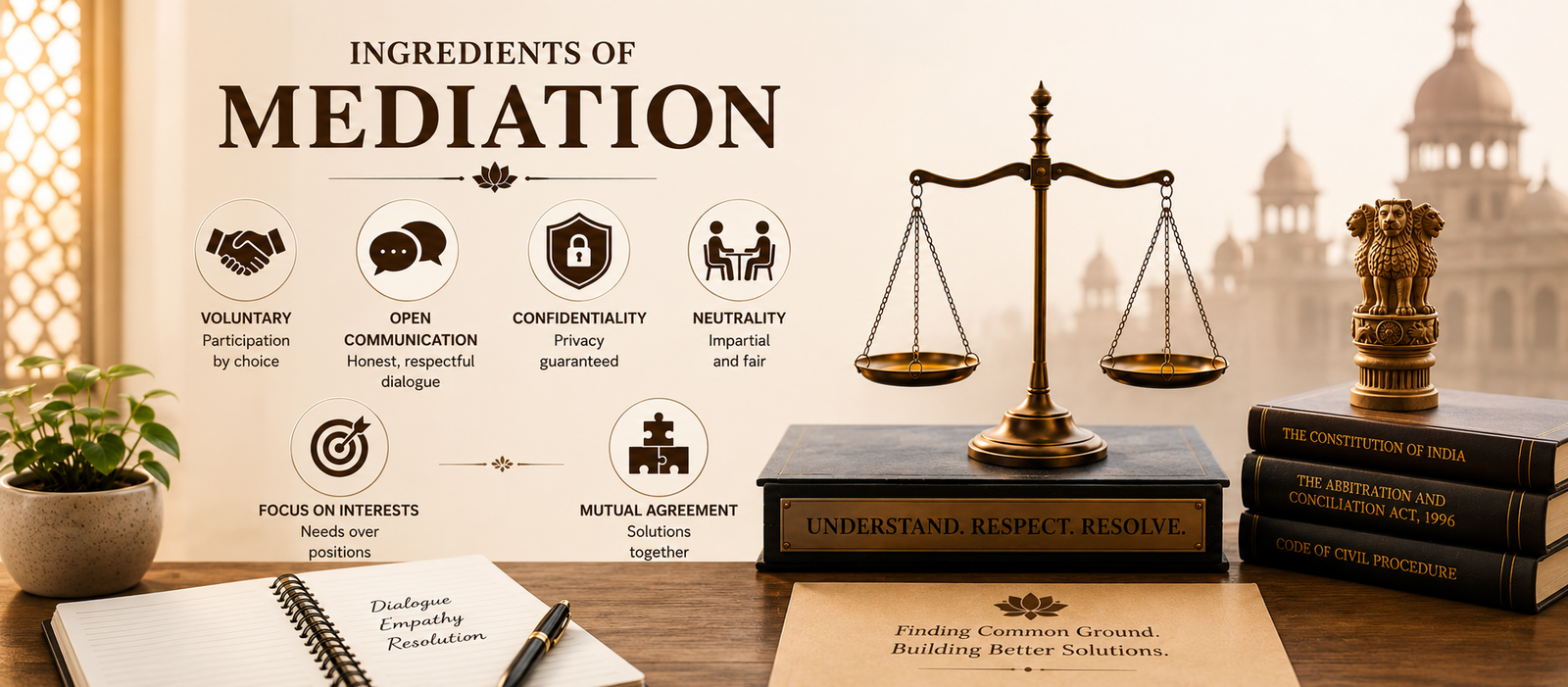
At DBHP Sabha’s Shri P V Joshi Law college, Dharwad, we believe that the true essence of law is not just to win a case, but to resolve a conflict. In strict compliance with the BCI Rules of Legal Education, we provide intensive clinical training in Mediation—a voluntary, confidential, and party-centered process that serves as a powerful alternative to traditional litigation
Unveiling Univet: Inspiring Student Stories
Unveiling Univet shares the real journeys of students who dared to dream, create, and achieve. Through passion, hard work, and innovation, these inspiring individuals turned challenges into opportunities. Their stories highlight the vibrant spirit of Univet where learners grow into leaders ideas become impact.
Why Mediation Matters for Law Students
• A Shift in Perspective: We move away from the “adversarial” model to a “collaborative” model. Students learn that a successful lawyer is one who can help parties bridge their differences.
• The Mediation Act, 2023: Our curriculum is updated to ensure students understand the latest statutory framework, including the nuances of pre-litigation mediation and settlement agreements.
• Professional Skill-Building: Mediation demands high-level soft skills—neutrality, active listening, creative problem-solving, and emotional intelligence—all of which make our graduates more versatile and professional.
• Cost-Effectiveness & Speed: We teach students how to provide efficient service to clients by avoiding the prolonged timeline of court trials, a skill that is increasingly demanded by corporate and individual clients alike.
- • **Crisis Management:** Negotiators must remain calm and adaptable under pressure. Our training builds the emotional intelligence required to handle high-stakes disputes while maintaining professional decorum. • **Strategic Preparation:** Students learn to research and identify the Best Alternative to a Negotiated Agreement (BATNA), ensuring they never enter a negotiation without a clear strategy and fallback plan.
- Minimum GPA/grade requirements as set by the university.
- For graduate programs: a recognized bachelor’s degree with required CGPA.
- For graduate programs: a recognized bachelor’s
Our Clinical Mediation Framework
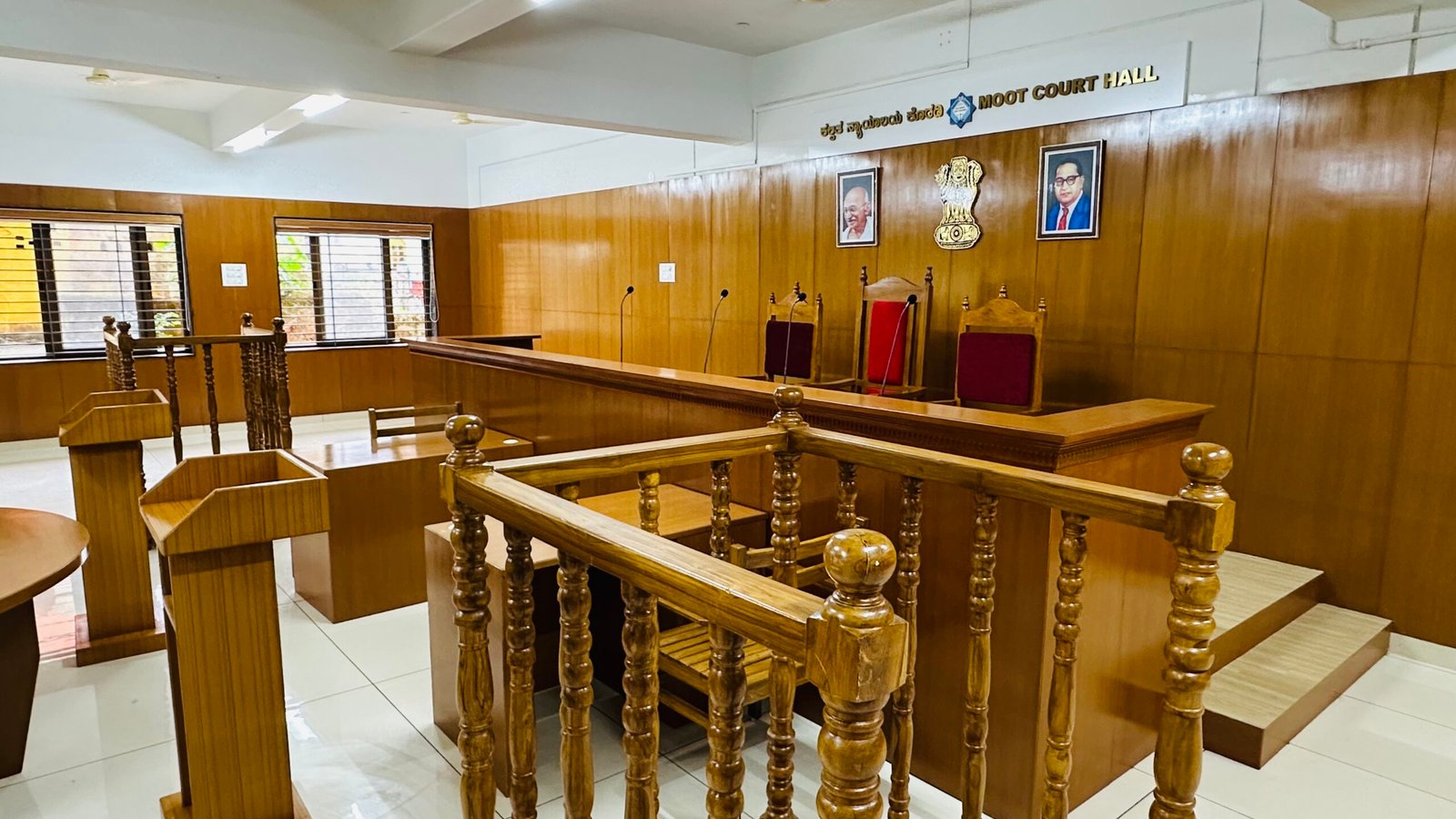
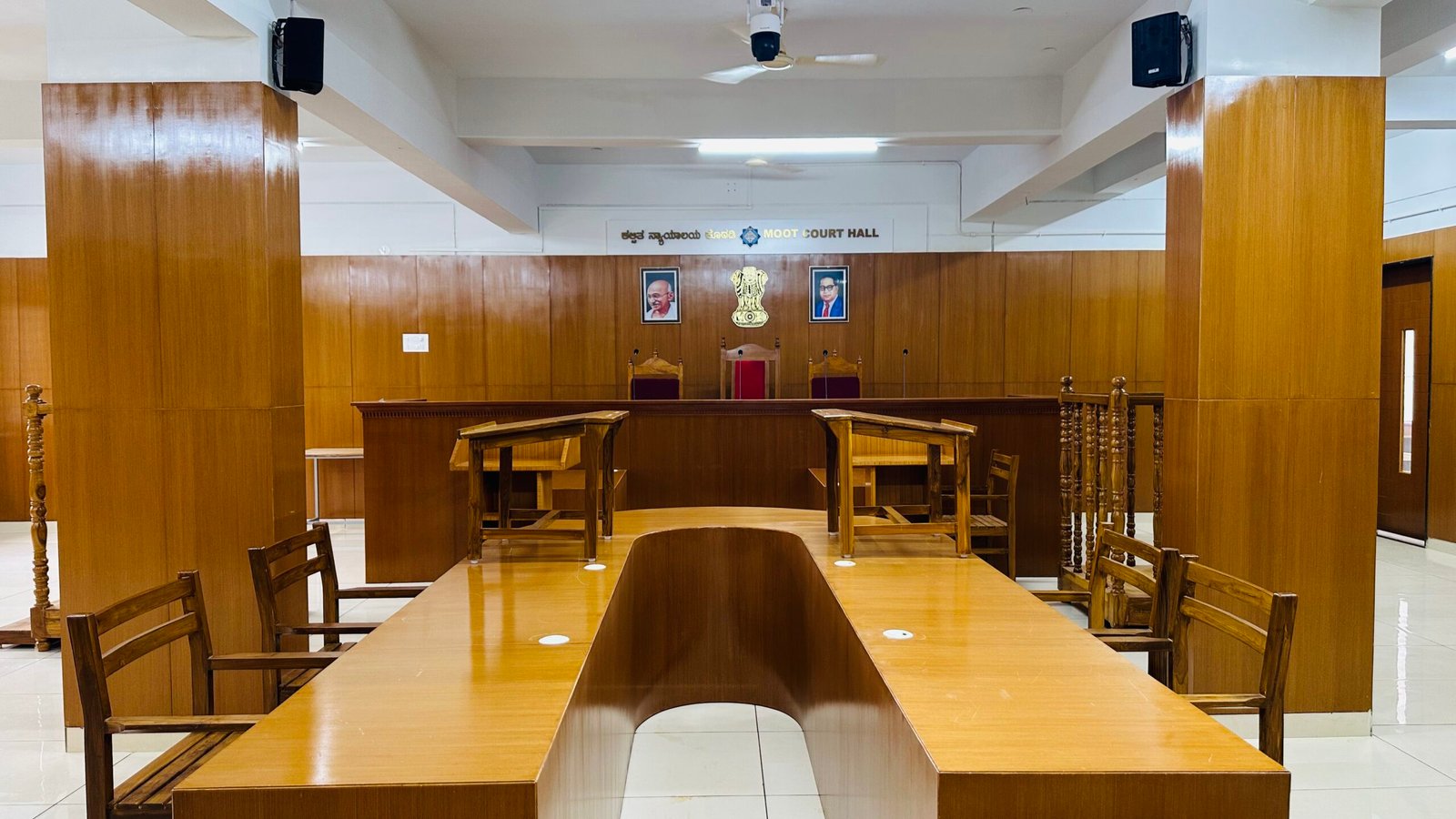
• Simulated Mediation Clinics: Our campus hosts mock mediation sessions where students alternate roles as Mediators, Disputants, and Legal Counsel, working under the guidance of experienced faculty.
• Case Studies: We analyze real-world mediation success stories, focusing on commercial, family, and matrimonial disputes to understand the psychology behind settlement.
• Mediation Advocacy Training: Students learn how to represent a client effectively within a mediation setting—a skill distinct from court advocacy.
• Guest Lectures & Expert Clinics: We facilitate sessions with certified mediators and judicial officers from local Mediation Centers, providing students with insights into real-world practice.
- Completed secondary education (HSC/A-Level/Equivalent).
- Minimum GPA/grade requirements as set by the university.
- For graduate programs: a recognized bachelor’s degree with required CGPA.
- For graduate programs: a recognized bachelor’s
Essential Learning Outcomes
- Identify whether a case is suitable for mediation or requires court intervention.
- Draft comprehensive and enforceable Settlement Agreements.
- Maintain absolute confidentiality and neutrality throughout the mediation process.
- Navigate the ethical dilemmas that often arise during negotiations.
- Completed secondary education (HSC/A-Level/Equivalent).
- Minimum GPA/grade requirements as set by the university.
- For graduate programs: a recognized bachelor’s degree with required CGPA.
- For graduate programs: a recognized bachelor’s