
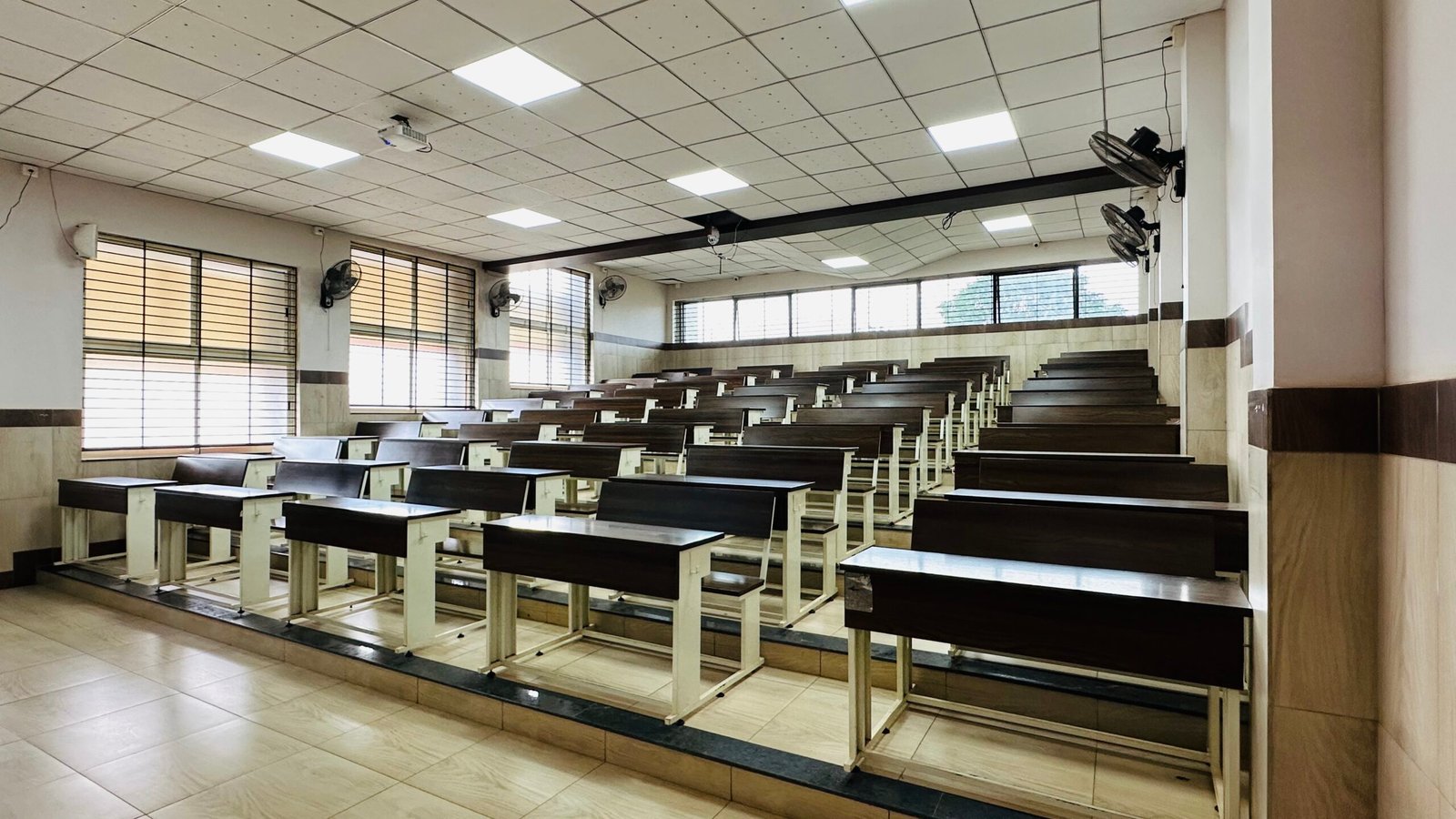
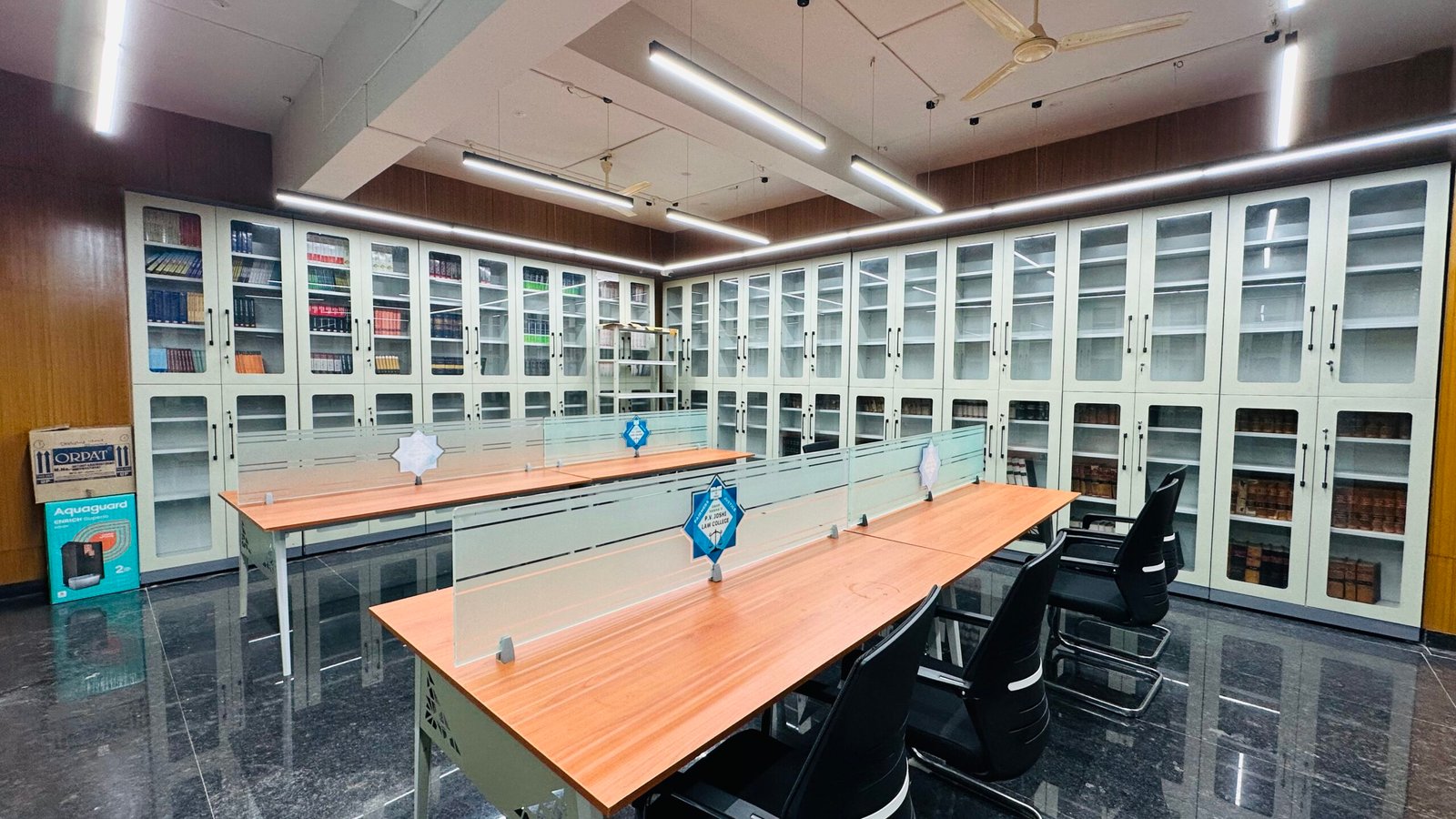
LLB Curriculum
A Rigorous Curriculum for Tomorrow’s Advocates
Our university offers a comprehensive range of academic programs designed to inspire learning, innovation and real-world impact Each program is carefully crafted to blend theoretical knowledge with practical experience ensuring students gain the skills needed to excel in today’s competitive global environment From foundational undergraduate courses to advanced postgraduate and professional degrees our curriculum emphasizes critical thinking hands-on learning, and industry relevance With guidance from experienced faculty access to modern laboratories and opportunities for research and internships students are empowered.
Program Highlight
Faculty
Education
Duration
2 Years
Credits
80
Language
English
Programme Overview: 3-Year LL.B.
The 3-Year Bachelor of Laws (LL.B.) Programme at DBHP Sabha’s Shri P. V. Joshi Law College is designed for graduates who aspire to build successful careers in law, justice, advocacy, and public service. Located in the educational hub of Dharwad (Vidyakaashi), the College combines a strong academic heritage with modern legal education.
Our mission is to develop competent legal professionals with strong analytical abilities, advocacy skills, ethical values, and practical legal knowledge. The programme effectively bridges the gap between legal theory and courtroom practice, preparing students for the evolving demands of the legal profession.
What Sets Our Programme Apart?
Session: 2026 - 2027
• Rigorous Academic Curriculum: A well-structured syllabus covering core subjects such as Constitutional Law, Criminal Law, Corporate Law, and other contemporary areas of legal study.
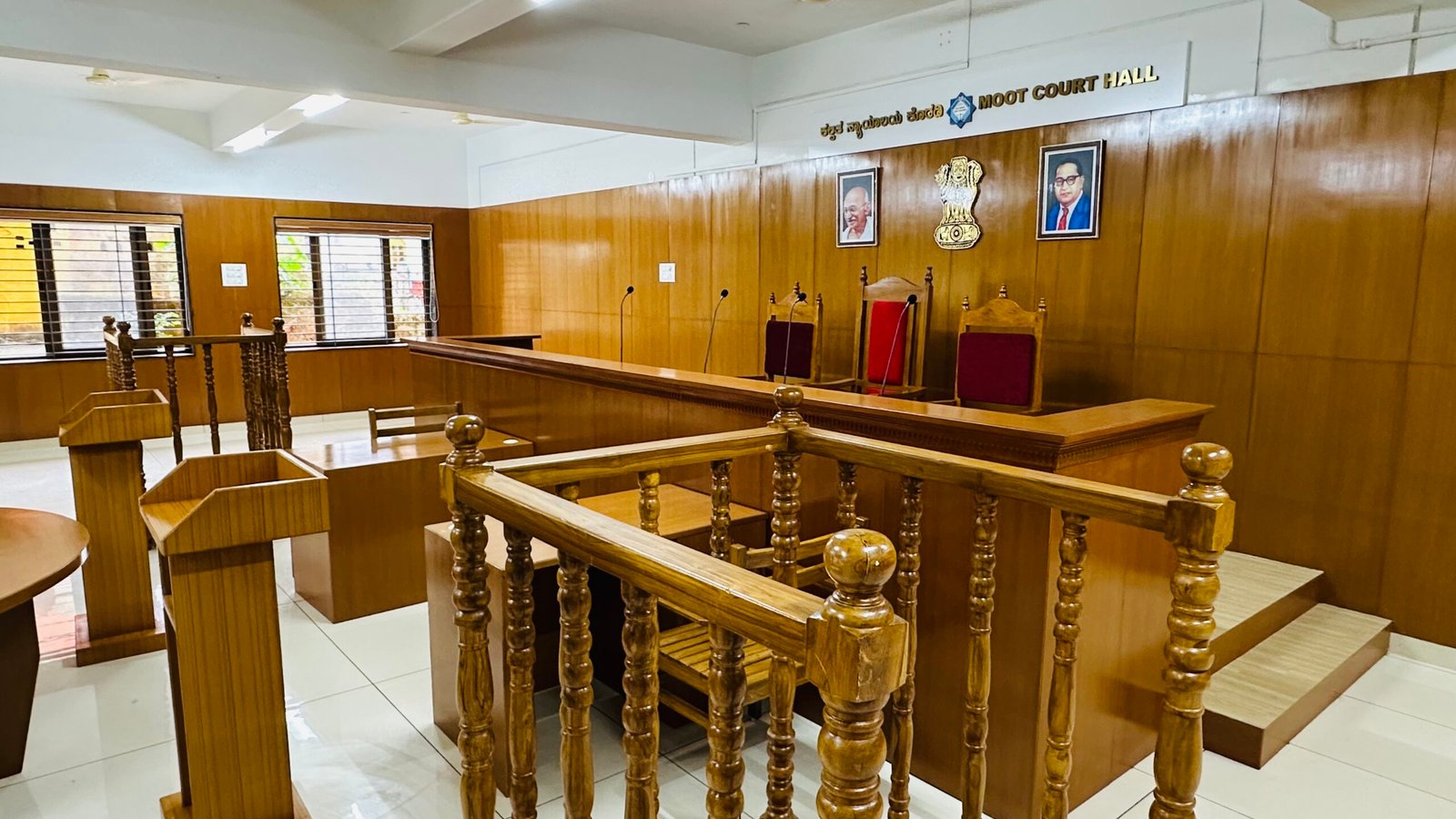
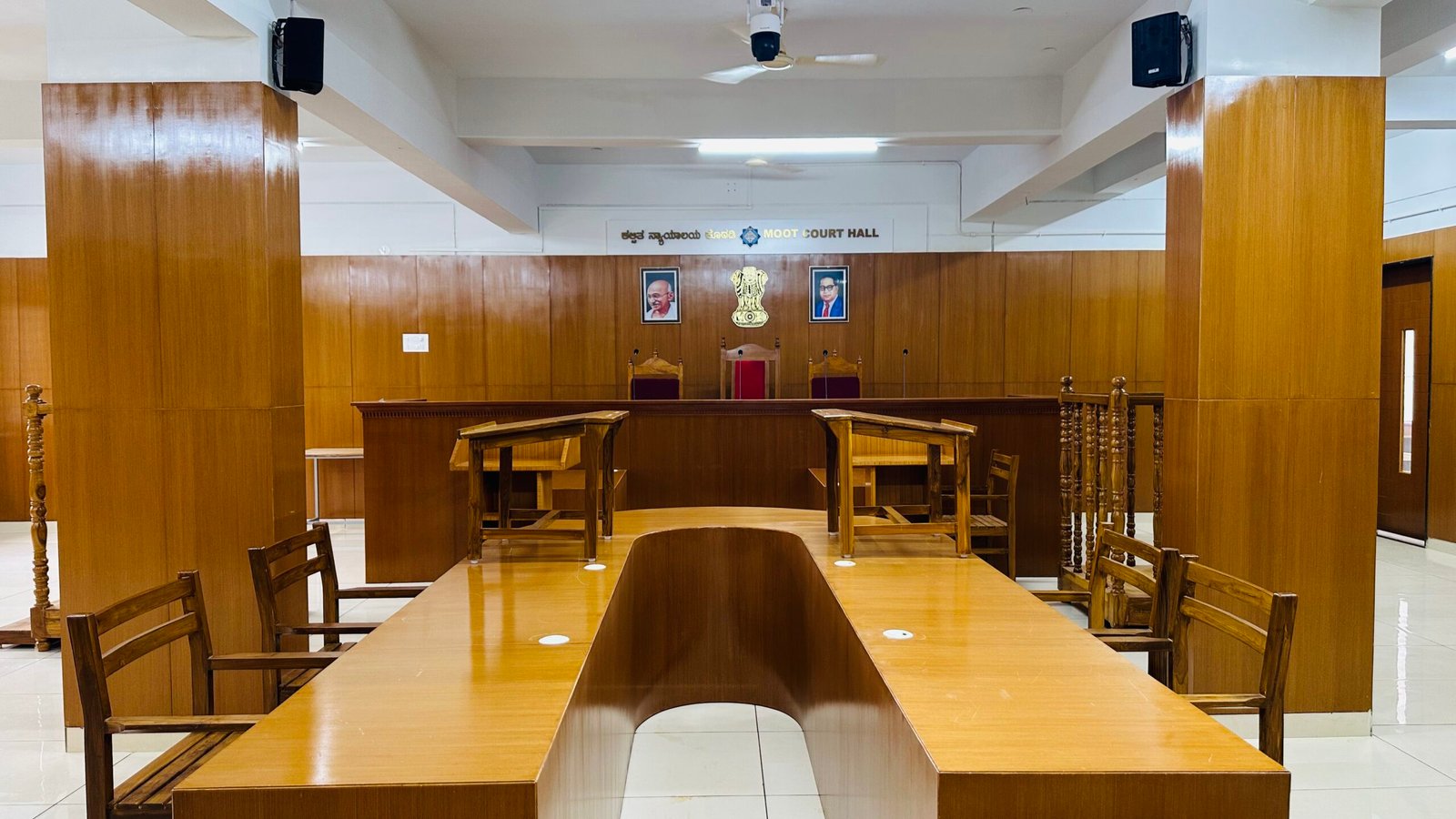
• Practical Legal Training: Emphasis on experiential learning through Moot Court exercises, legal drafting workshops, court visits, and Legal Aid Clinic activities, preparing students for professional legal practice.
• Expert Faculty & Mentorship: Learn from experienced academicians and legal professionals who bring practical courtroom knowledge and academic excellence to the classroom.
• The Vidyakaashi Advantage: Study in Dharwad, a renowned educational hub, where a rich academic environment encourages intellectual growth, legal research, critical thinking, and respect for the rule of law.
Computational Statistics
- Statistical Programming (e.g., R and Python), Statistical Computing, Data Management
Career Pathways
- A degree from Shri P V Joshi Law College opens doors to a wide spectrum of prestigious career opportunities. Our graduates are equipped to excel in:
• Litigation & Advocacy: Practice before Trial Courts, High Courts, and the Supreme Court of India.
• Corporate Counsel: Advise corporations, financial institutions, and business organizations on legal compliance and corporate governance.
• Judicial Services: Prepare for competitive examinations to pursue careers as Judges and Judicial Officers.
• Public Service & Policy: Explore opportunities in government departments, NGOs, legal research, public policy, and academia.
Computational Statistics
- Statistical Programming (e.g., R and Python), Statistical Computing, Data Management
Our university offers a comprehensive range of academic programs designed to inspire learning, innovation and real-world impact Each program is carefully crafted to blend theoretical knowledge with practical experience ensuring students gain the skills needed to excel in today’s competitive global environment From foundational undergraduate courses to advanced postgraduate and professional degrees our curriculum emphasizes critical thinking hands-on learning, and industry relevance With guidance from experienced faculty access to modern laboratories and opportunities for research and internships students are empowered.
Program Highlight
Faculty
Education
Duration
2 Years
Credits
80
Language
English
Programme Overview: 3-Year LL.B.
The 3-Year Bachelor of Laws (LL.B.) Programme at DBHP Sabha’s Shri P. V. Joshi Law College is designed for graduates who aspire to build successful careers in law, justice, advocacy, and public service. Located in the educational hub of Dharwad (Vidyakaashi), the College combines a strong academic heritage with modern legal education.
Our mission is to develop competent legal professionals with strong analytical abilities, advocacy skills, ethical values, and practical legal knowledge. The programme effectively bridges the gap between legal theory and courtroom practice, preparing students for the evolving demands of the legal profession.
What Sets Our Programme Apart?
Session: 2025 - 2026
Typical Program Structure
• Rigorous Academic Curriculum: A well-structured syllabus covering core subjects such as Constitutional Law, Criminal Law, Corporate Law, and other contemporary areas of legal study.
• Practical Legal Training: Emphasis on experiential learning through Moot Court exercises, legal drafting workshops, court visits, and Legal Aid Clinic activities, preparing students for professional legal practice.
• Expert Faculty & Mentorship: Learn from experienced academicians and legal professionals who bring practical courtroom knowledge and academic excellence to the classroom.
• The Vidyakaashi Advantage: Study in Dharwad, a renowned educational hub, where a rich academic environment encourages intellectual growth, legal research, critical thinking, and respect for the rule of law.
Career Pathways
- A degree from Shri P V Joshi Law College opens doors to a wide spectrum of prestigious career opportunities. Our graduates are equipped to excel in:
• Litigation & Advocacy: Practice before Trial Courts, High Courts, and the Supreme Court of India.
• Corporate Counsel: Advise corporations, financial institutions, and business organizations on legal compliance and corporate governance.
• Judicial Services: Prepare for competitive examinations to pursue careers as Judges and Judicial Officers.
• Public Service & Policy: Explore opportunities in government departments, NGOs, legal research, public policy, and academia.
Computational Statistics
- Statistical Programming (e.g., R and Python), Statistical Computing, Data Management
Curriculum Overview
Our university curriculum is designed to deliver a balanced future-focused learning experience that empowers students with both academic knowledge and practical competencies Each program is structured to combine foundational coursework specialized major subjects hands-on learning and interdisciplinary opportunities By integrating theory research and real-world applications we prepare students to excel in a rapidly evolving global environment Students begin with core courses that build essential skills in communication, critical thinking, digital literacy, and quantitative analysis.
Curriculum Breakdown Summary
Our curriculum is structured to provide a well-rounded, progressive learning journey that supports both academic excellence and practical skill development. It is organized into four key components: Core Courses, Major Requirements, Electives, and Experiential Learning.
| Regular Students | Required Credits |
|---|---|
| Core Courses | 30 Credits |
| Science (S) Core | 30 Credits |
| Business (B) Core | 3 Credits |
| GPA | 3 Credits |
| Total | 90 Credits |
Core Courses
The Science (S) Core develops a strong foundation in scientific principles, analytical thinking, and evidence-based problem-solving These courses introduce students to the fundamental concepts of the natural world while strengthening their abilities to observe, experiment.
| Semester 1 | Courses Code | Core Courses | Credits |
|---|---|---|---|
| Foundations in Communication & Critical Thinking (12 Required Credits) | IBS301 | International Business Management | 3 Credits |
| BUS109 | Introduction to Microeconomics | 3 Credits | |
| MKT200B | Principles of Marketing | 3 Credits | |
| BUS308B | Strategic Management | 3 Credits | |
| Accounting | BUS325B | Introduction to Operations Management & Decision Science | 3 Credits |
| FIN305 | Introduction to Corporate Finance | 3 Credits | |
| BUS110 | Introduction to Macroeconomics | 3 Credits | |
| ACC101 | Introduction to Accounting | 3 Credits | |
| Management | BUS100A | Introduction to Business | 3 Credits |
| BUS211C | People and Organization | 3 Credits |
Science (S) Core
The Science (S) Core develops a strong foundation in scientific principles, analytical thinking, and evidence-based problem-solving These courses introduce students to the fundamental concepts of the natural world while strengthening their abilities to observe, experiment.
| Semester 2 | Courses Code | Science | Credits |
|---|---|---|---|
| Science | PHY 101 | Conceptual Physics | 3 Credits |
| BIO 105 | Introduction to Life Sciences | 3 Credits | |
| PHY 101 | Introduction to Physical Science | 3 Credits | |
| ENV 110 | Environmental Science | 3 Credits | |
| Technology | CS 101 | Digital Foundations and Applied Programming | 3 Credits |
| TECH 205 | Management Information Systems (MIS) | 3 Credits | |
| ENGR 100 | Introduction to Engineering Principles | 3 Credits | |
| DATA 210 | Data Management and Visualization | 3 Credits | |
| Mathematics | MATH 115 | College Algebra and Trigonometry | 3 Credits |
| STAT 201 | Probability and Statistics | 3 Credits |
Business (B) Core
The Business Core, requiring 30 credits (typically eleven 3-credit courses), is the largest component of the foundational curriculum. It ensures students gain a comprehensive, interdisciplinary understanding of the functional areas necessary to operate and manage an organization.
| Semester 3 | Courses Code | Business Core | Credits |
|---|---|---|---|
| Finance | IBS301 | International Business Management | 3 Credits |
| BUS109 | Introduction to Microeconomics | 3 Credits | |
| MKT200B | Principles of Marketing | 3 Credits | |
| BUS308B | Strategic Management | 3 Credits | |
| Accounting | BUS325B | Introduction to Operations Management & Decision Science | 3 Credits |
| FIN305 | Introduction to Corporate Finance | 3 Credits | |
| BUS110 | Introduction to Macroeconomics | 3 Credits | |
| ACC101 | Introduction to Accounting | 3 Credits | |
| Management | BUS100A | Introduction to Business | 3 Credits |
| BUS211C | People and Organization | 3 Credits |

Dr. Kalmesh Haveripeth
Visiting Faculty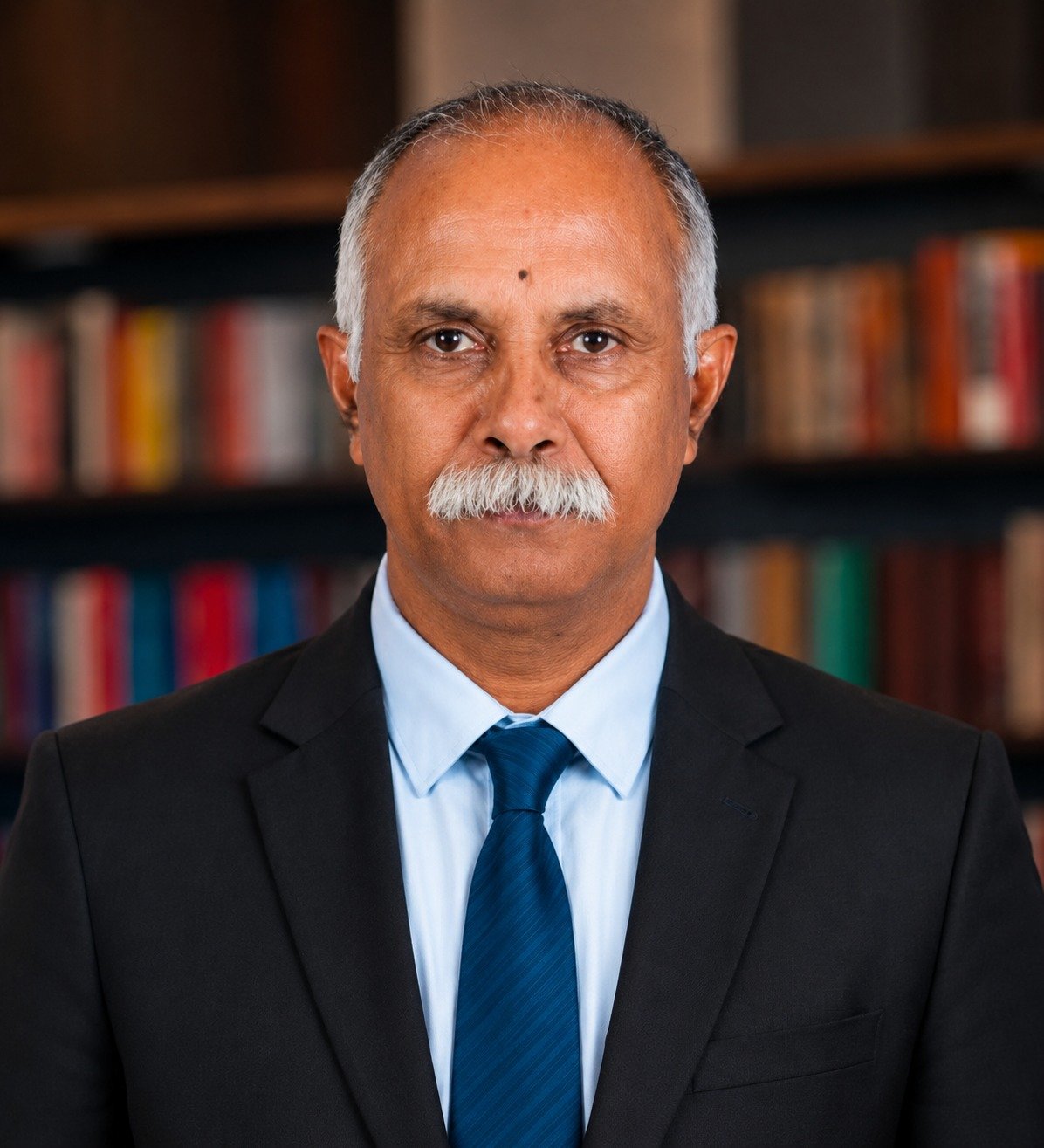
Shri Shrinivas Narayanrao Parande
Assistant Professor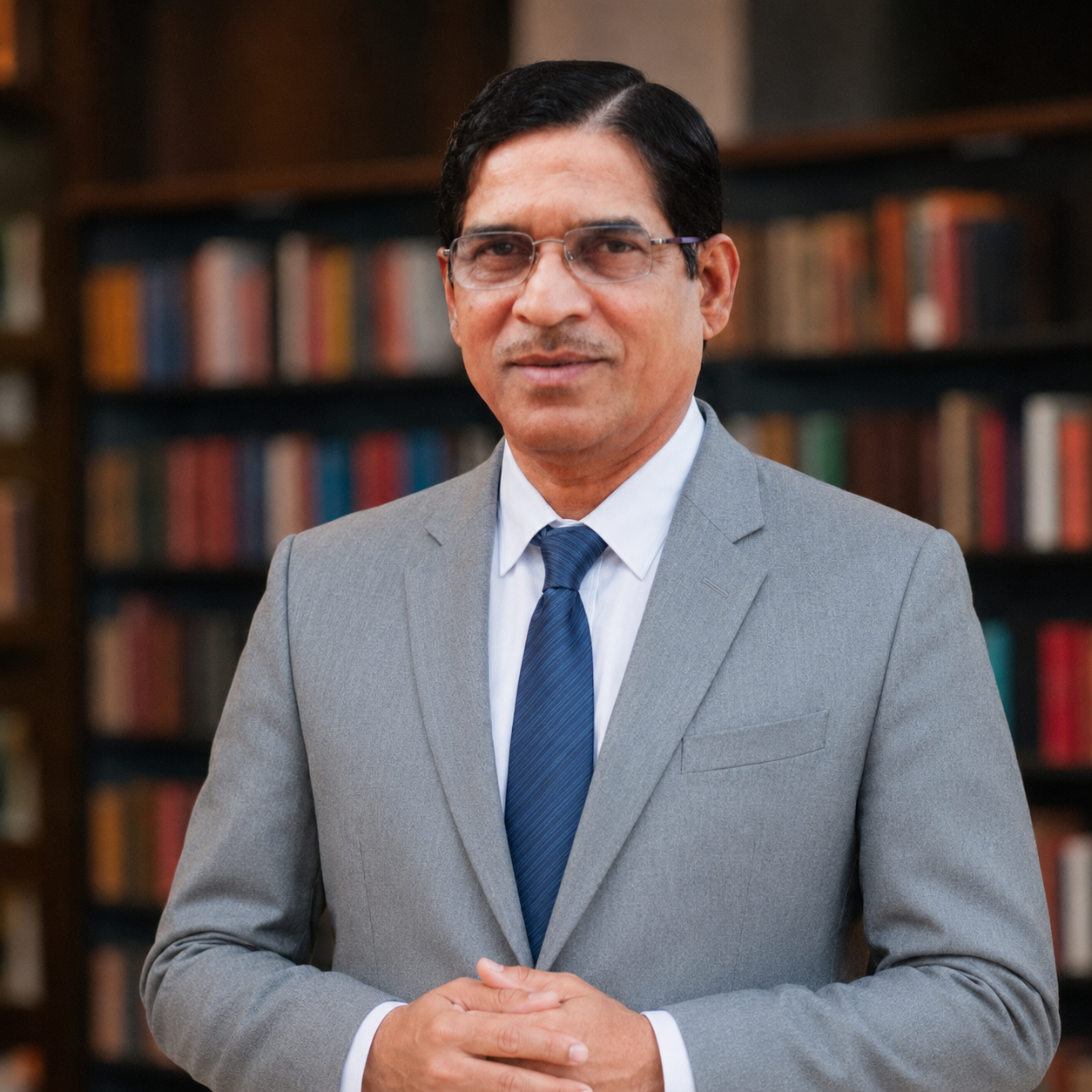
Dr. Sangappa C. Malagi
PrincipalPrograms Cost
Our program costs are designed to remain transparent competitive and accessible for students from diverse backgrounds. Each academic program includes tuition fees, registration charges and essential learning resources ensuring students receive high-quality education and comprehensive academic support Costs may vary based on program type, course load, and mode of study (on-campus, hybrid, or online) We aim to provide exceptional value through modern facilities, expert faculty, and industry aligned curriculum making your investment in education both meaningful and future-focused.
| Spring 2025 | Summer 2025 | Fall 2025 | Winter 2025 | Annual | |
|---|---|---|---|---|---|
| 17 weeks | 6 weeks Summer 1 3 Weeks Summer 2 3 Weeks | 16 weeks | 17 weeks Winter 1 3 Weeks Winter 2 3 Weeks | Costs USD | |
| Enrollment Fee (Onetime fee) | $560 | $560* | $660 | ||
| Orientations Fee (Onetime fee) | $159 | $159* | $159 | ||
| Medical Insurance (Yearly) | $68 | $68 | |||
| Tuition | $4,129 | $1,139 | $5,138 | $1,028 | $11,434 |
| Residence | $728 | $364 | $728 | $364 | $2,184 |
| Breakfast Fee | $448 | Not offered | $448 | Not offered | $896 |
| Activity Fee | $100 | $100 | $200 | ||
| Total Fast Year | $6,192 | $1,503 | $7,133 | $1,392 | $16,220 |
| Total Second Year | $5,192 | $1,503 | $7,133 | $1,392 | $15,220 |
Apply Now
Our program costs are designed to remain transparent competitive and accessible for students from diverse backgrounds. Each academic program includes tuition fees, registration charges and essential learning resources ensuring students receive high-quality education and comprehensive academic support Costs may vary based on program type, course load, and mode of study (on-campus, hybrid, or online) We aim to provide exceptional value through modern facilities, expert faculty, and industry aligned curriculum making your investment in education both meaningful and future-focused.


Requirements and Deadlines
Our program costs are designed to remain transparent competitive and accessible for students from diverse backgrounds. Each academic program includes tuition fees, registration charges and essential learning resources ensuring students receive high-quality education and comprehensive academic support Costs may vary based on program type, course load, and mode of study (on-campus, hybrid, or online) We aim to provide exceptional value through modern facilities, expert faculty, and industry aligned curriculum making your investment in education both meaningful and future-focused.
Admissions Requirements
1. Academic Qualifications
- Completed secondary education (HSC/A-Level/Equivalent).
- Minimum GPA/grade requirements as set by the university.
- For graduate programs: a recognized bachelor’s degree with required CGPA.
3. English Language Proficiency
- TOEFL, IELTS, PTE, or equivalent test score
- University-approved English placement test (if applicable)
5. Additional Requirements (Program-Specific)
- Portfolio (Architecture, Design, Fine Arts)
- Coding/technical assessment (Computer Science, IT)
- Work experience (MBA, Professional Degrees)
- Research proposal (Master’s/PhD)
7. Visa Requirements (International Students)
- Valid passport
- Offer letter from the university
- Financial sponsorship documents
- Medical clearance (if applicable)
2. Academic Qualifications
- Completed application form
- Academic transcripts & certificates
- National ID/Passport
- Recent passport-sized photographs
- Proof of English proficiency (if required)
- Recommendation letters (for graduate admissions)
- Statement of Purpose/Personal Essay (selected programs)
4. Entrance Exam / Interview
- Some programs require an entrance exam or aptitude test
- Selected applicants may be invited for an admission interview
6. Financial Requirements
- Payment of application fee
- Proof of ability to cover tuition and living costs (for international students)


Application Deadlines
| Program Level | Adnations Session | Applications Opens | Appellation Deadline | Classes Begin |
|---|---|---|---|---|
| Undergraduate | Spring Intake | October 1 | December 15 | January 10 |
| Undergraduate | Fall Intake | April 1 | July 30 | September 1 |
| Postgraduate | Spring Intake | October 1 | December 30 | January 15 |
| Postgraduate | Fall Intake | April1 | August 10 | September 5 |
| International Students | All Intake | 6 Month Before | 2 Months Before | As Scheduled |
Requirements and Deadlines
Our program costs are designed to remain transparent competitive and accessible for students from diverse backgrounds. Each academic program includes tuition fees, registration charges and essential learning resources ensuring students receive high-quality education and comprehensive academic.