


Conciliation
Expert Guidance for Amicable Solutions.

Conciliation: Fostering Amicable Justice
Our Commitment to Conciliation
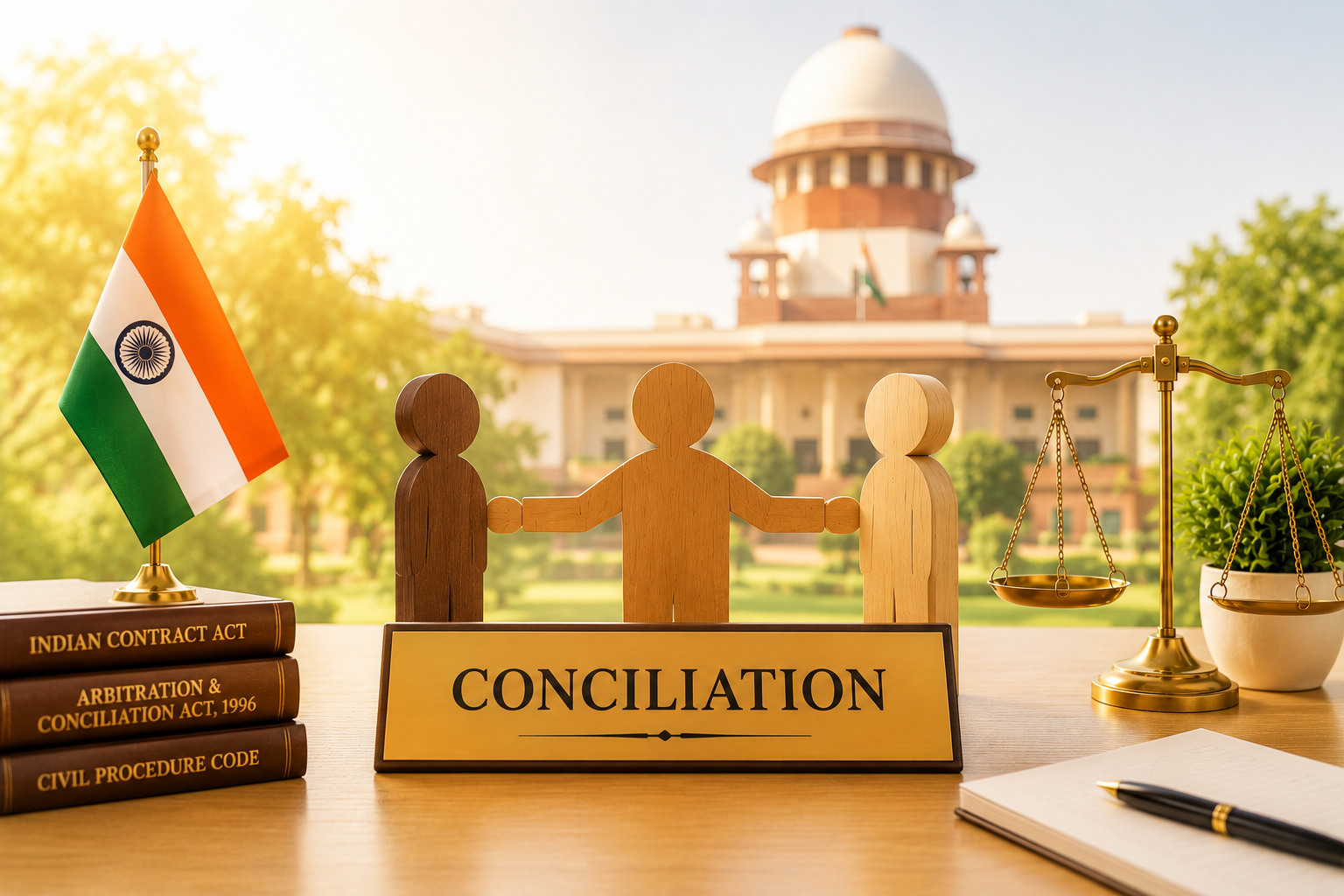
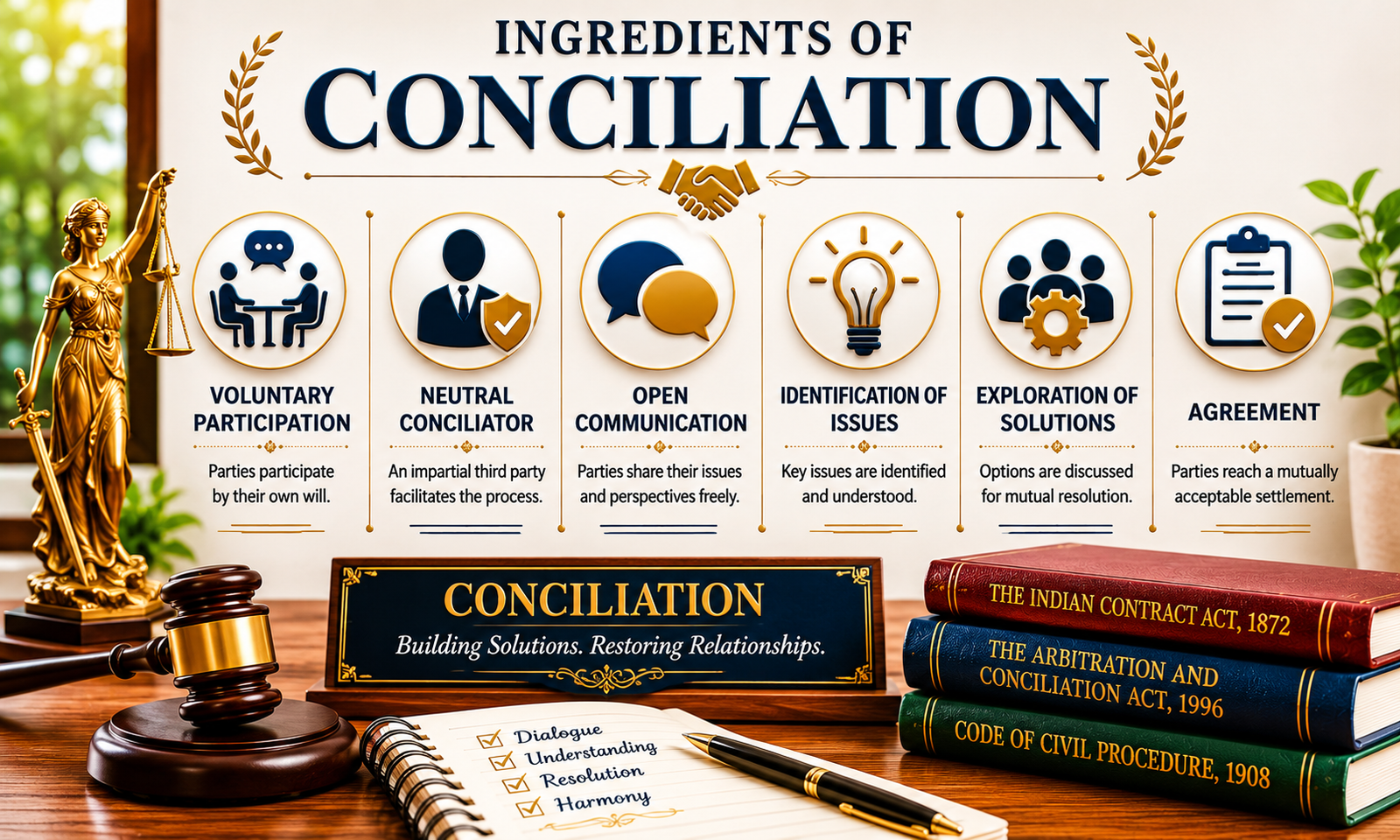
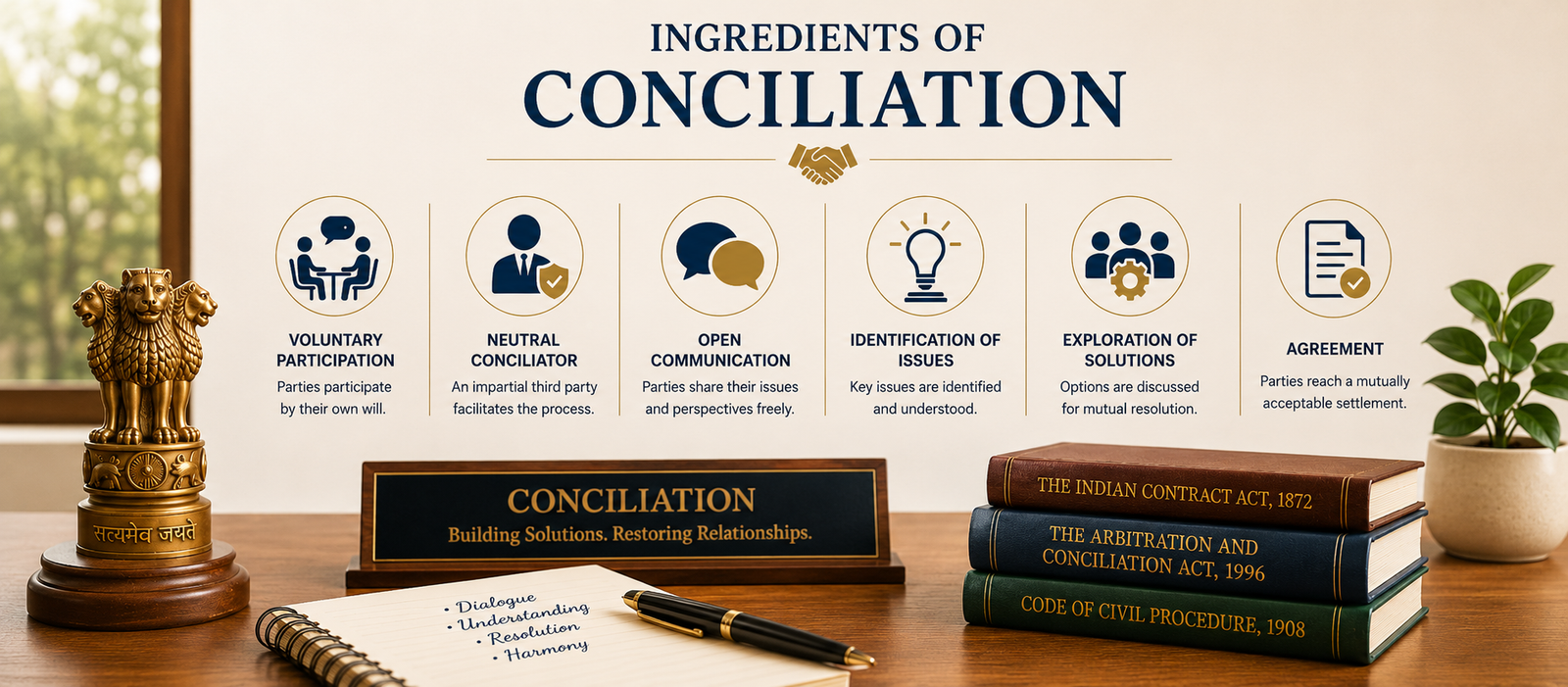
At DBHP Sabha’s Shri P V Joshi Law college, Dharwad, we believe that the legal profession’s ultimate goal is the peaceful resolution of disputes. In accordance with the BCI Rules of Legal Education, our Clinical Legal Education program provides comprehensive training in Conciliation—a structured process where a neutral conciliator works to facilitate a settlement by suggesting mutually acceptable proposals.
Unveiling Univet: Inspiring Student Stories
Unveiling Univet shares the real journeys of students who dared to dream, create, and achieve. Through passion, hard work, and innovation, these inspiring individuals turned challenges into opportunities. Their stories highlight the vibrant spirit of Univet where learners grow into leaders ideas become impact.
Why Conciliation is Essential for Law Students
• Active Problem-Solving: Unlike arbitration, which is adjudicatory, or mediation, which is purely facilitative, conciliation allows the third party to offer proactive solutions. Our students learn when and how to adopt this influential role.
• Legal & Statutory Framework: We ensure students are well-versed in the Arbitration and Conciliation Act, 1996, providing them with a solid grasp of how to document and enforce settlement agreements resulting from conciliation.
• Building Professional Maturity: Conciliation training teaches students the art of managing emotions, navigating complex power dynamics, and helping parties see past their rigid positions to reach a common ground.
• Social Impact: Conciliation is particularly effective in family, labor, and community disputes. By mastering this, our graduates are better equipped to provide accessible, affordable, and swift justice to the public.
- • **Crisis Management:** Negotiators must remain calm and adaptable under pressure. Our training builds the emotional intelligence required to handle high-stakes disputes while maintaining professional decorum. • **Strategic Preparation:** Students learn to research and identify the Best Alternative to a Negotiated Agreement (BATNA), ensuring they never enter a negotiation without a clear strategy and fallback plan.
- Minimum GPA/grade requirements as set by the university.
- For graduate programs: a recognized bachelor’s degree with required CGPA.
- For graduate programs: a recognized bachelor’s
Our Clinical Conciliation Framework
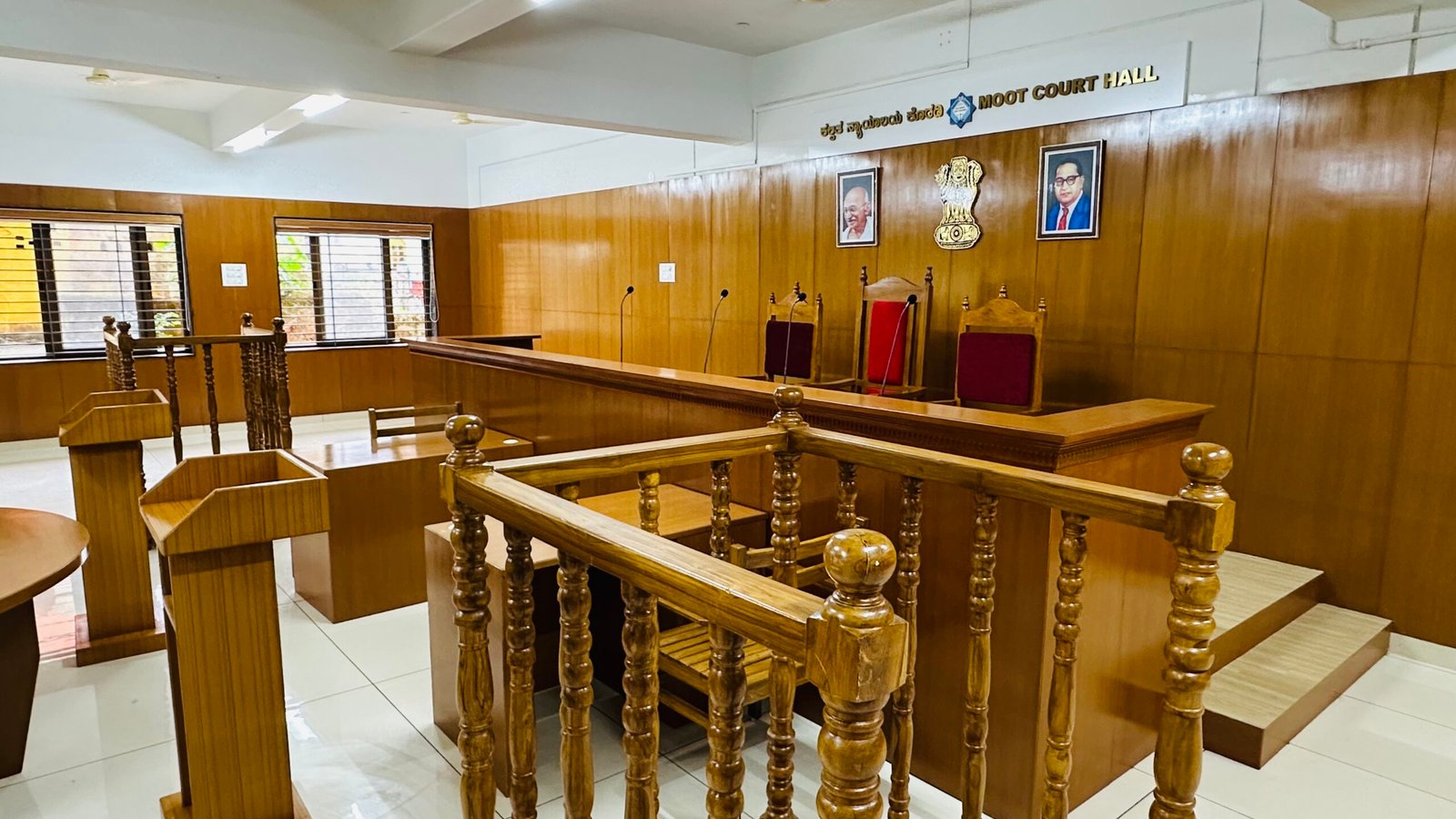
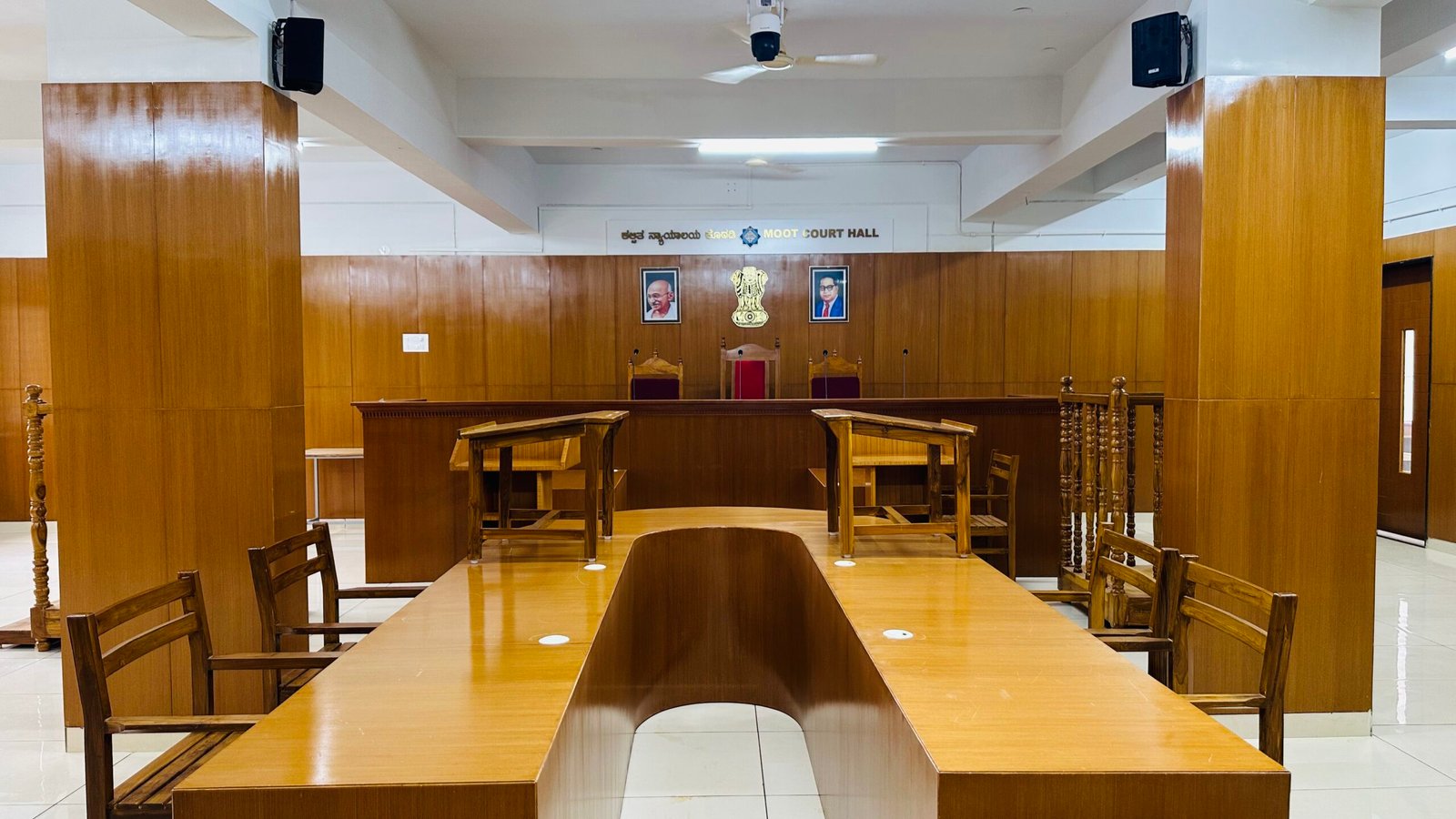
• Simulated Conciliation Proceedings: Students engage in mock conciliation sessions, practicing the delicate balance of listening, evaluating facts, and proposing settlement terms that both parties can accept.
• Technique Workshops: Sessions focused on the “Conciliator’s Toolkit”—learning how to draft terms of settlement, how to maintain neutrality while being proactive, and how to close the gap between disputants.
• Case Analysis: Reviewing real-world cases where conciliation successfully averted years of protracted litigation, helping students understand the strategic value of this tool.
• Professional Ethics: A deep dive into the ethical duties of a conciliator, ensuring integrity and confidentiality remain at the heart of the process.
- Completed secondary education (HSC/A-Level/Equivalent).
- Minimum GPA/grade requirements as set by the university.
- For graduate programs: a recognized bachelor’s degree with required CGPA.
- For graduate programs: a recognized bachelor’s
Learning Outcomes
- Analyze Disputes: Determine when conciliation is the most effective pathway for dispute resolution.
- Facilitate Agreement: Act as a neutral intermediary who can propose fair and balanced solutions.
- Draft Legal Documents: Prepare legally binding settlement agreements that satisfy the requirements of the Arbitration and Conciliation Act.
- Manage Communication: Handle sensitive disputes with empathy and professional tact.
- Completed secondary education (HSC/A-Level/Equivalent).
- Minimum GPA/grade requirements as set by the university.
- For graduate programs: a recognized bachelor’s degree with required CGPA.
- For graduate programs: a recognized bachelor’s