


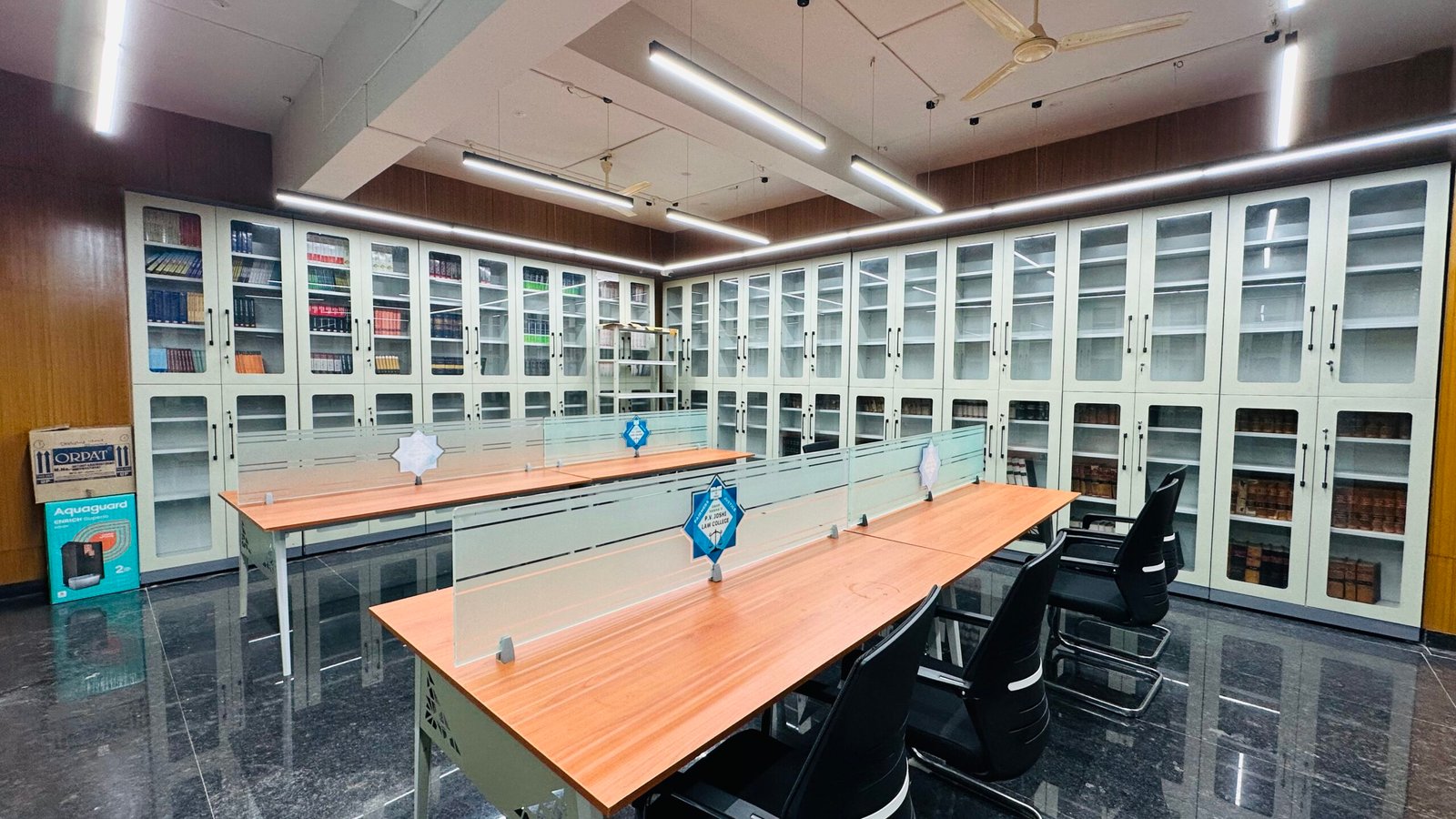
Academics
A Tradition of Scholarly
Excellence in the Heart of Dharwad.
Academic Excellence Rooted in Justice
At DBHP Sabha’s Shri P. V. Joshi Law College, Dharwad, legal education is envisioned as a transformative journey that combines academic excellence, ethical values, critical thinking, practical learning, and holistic personality development. The institution is committed to nurturing competent legal professionals who are socially responsible and dedicated to justice, the rule of law, and nation-building.
Our academic environment promotes intellectual curiosity, ethical conduct, legal research, practical training, community engagement, and lifelong learning, preparing students to meet the evolving demands of the legal profession while emerging as responsible leaders of society.
Curriculum
curriculum designed academic excellence.
Teaching
Quality teaching that nurtures every learner.
Learning
Meaningful learning designed for real.

Learning Beyond the Classroom
Legal education extends beyond textbooks and examinations. Students are encouraged to engage with contemporary legal developments through seminars, workshops, guest lectures, legal awareness programmes, field visits, and experiential learning opportunities.
The institution believes that meaningful legal education is achieved by integrating theoretical knowledge with practical exposure. Students are actively encouraged to participate in moot courts, debates, legal aid camps, cultural events, sports, leadership programmes, and community service initiatives, fostering their overall growth and personality development.
Lead of Faculty
The Lead of Faculty plays a vital role in guiding the academic direction and overall performance of the university’s teaching departments. This position provides strong academic leadership, ensuring that educational standards, teaching quality, and curriculum development consistently meet institutional goals. The Lead of Faculty works closely with department heads, program coordinators.
Expert educators
Expert educators combine deep subject knowledge, strong teaching skills, and a passion for learning they mentor students, lead research, innovate classroom practices, and consistently contribute to academic growth and excellence.
Our Academic Approach
The College adopts a student-centric and outcome-oriented approach to legal education, emphasizing the development of analytical reasoning, legal writing, advocacy skills, ethical decision-making, leadership qualities, communication competence, and professional confidence.
The academic framework is designed to:
• Strengthen conceptual understanding of law.
• Promote critical analysis of legal issues.
• Encourage legal research and scholarly inquiry.
• Foster professional ethics and responsibility.
• Develop effective communication and advocacy skills.
• Enhance leadership and decision-making abilities.
• Inculcate moral values, integrity, and social responsibility.
• Prepare students for lifelong learning and professional excellence.
Inculcating Values, Ethics, and Civic Responsibility
At Shri P. V. Joshi Law College, legal education is founded on the principles of integrity, justice, accountability, and service to society. The College is committed to instilling strong moral values and ethical standards that guide students throughout their academic, professional, and personal lives.
Students are encouraged to develop civic responsibility, constitutional awareness, respect for diversity, and a commitment to public welfare. Through legal aid activities, community outreach programmes, and social engagement initiatives, they gain a deeper understanding of the transformative role of law in promoting justice and social harmony.

Books & Resources
Our university is committed
eBooks & Digital Files
Our university is committed
Research Databases
Our university is committed
Annual Workshops
Our university is committed
Mastering Communication and Oratory Skills
Effective communication is one of the most important attributes of a successful legal professional. The College places significant emphasis on developing students’ verbal, written, interpersonal, and advocacy skills.
Through classroom presentations, moot court exercises, debates, elocution competitions, seminars, group discussions, and legal literacy programmes, students are provided with opportunities to strengthen their communication and public speaking abilities. They are trained to articulate legal arguments confidently, communicate persuasively, and present ideas with clarity and professionalism both inside and outside the courtroom.
Practical Legal Training
The College recognizes that practical skills are indispensable for legal professionals. Academic learning is supplemented through activities that expose students to the realities of legal practice, dispute resolution, and client interaction.
Students are provided opportunities to develop competencies in:
• Legal Research
• Legal Drafting
• Professional Ethics
• Advocacy Skills
• Client Counselling
• Alternative Dispute Resolution
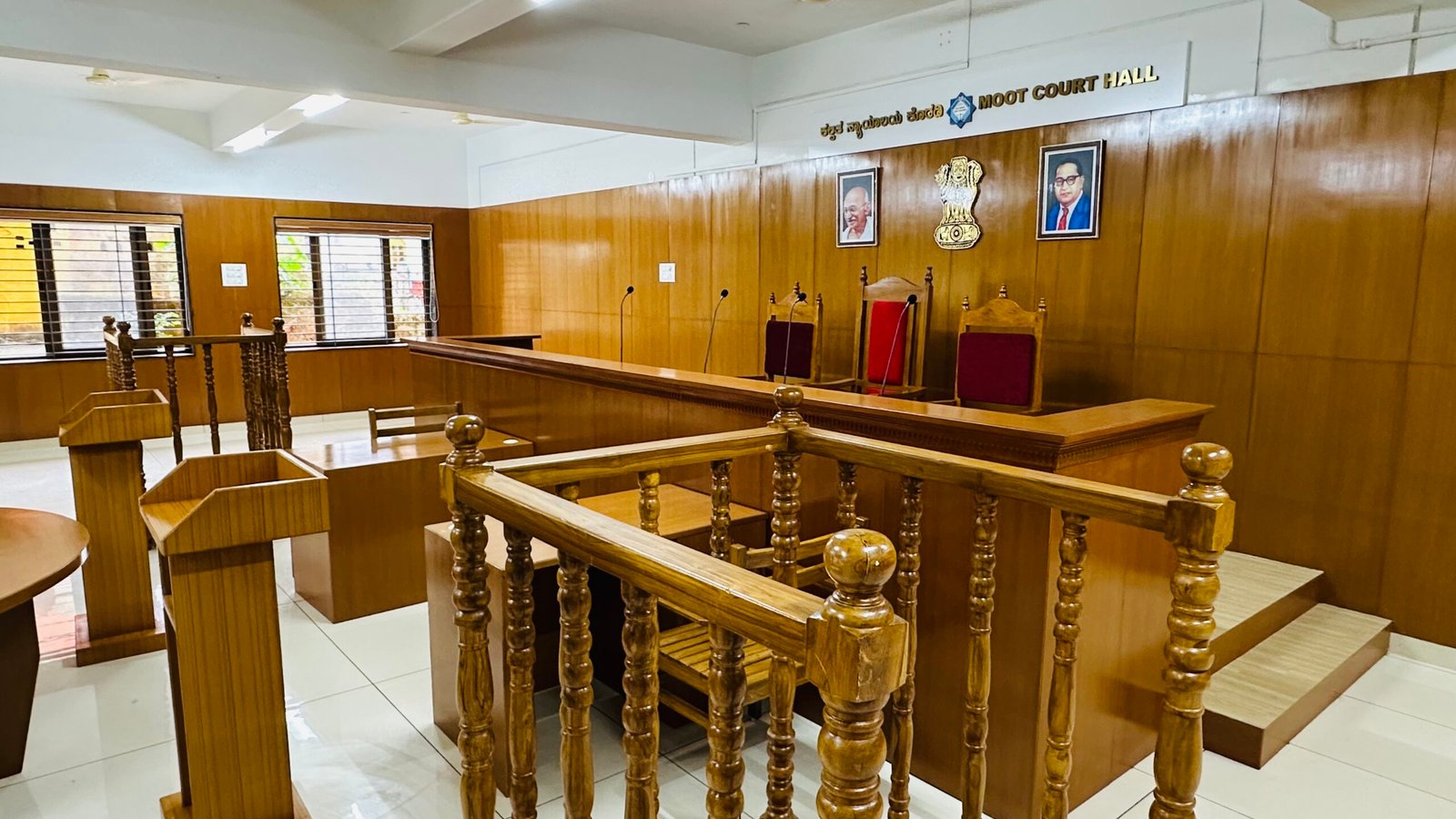
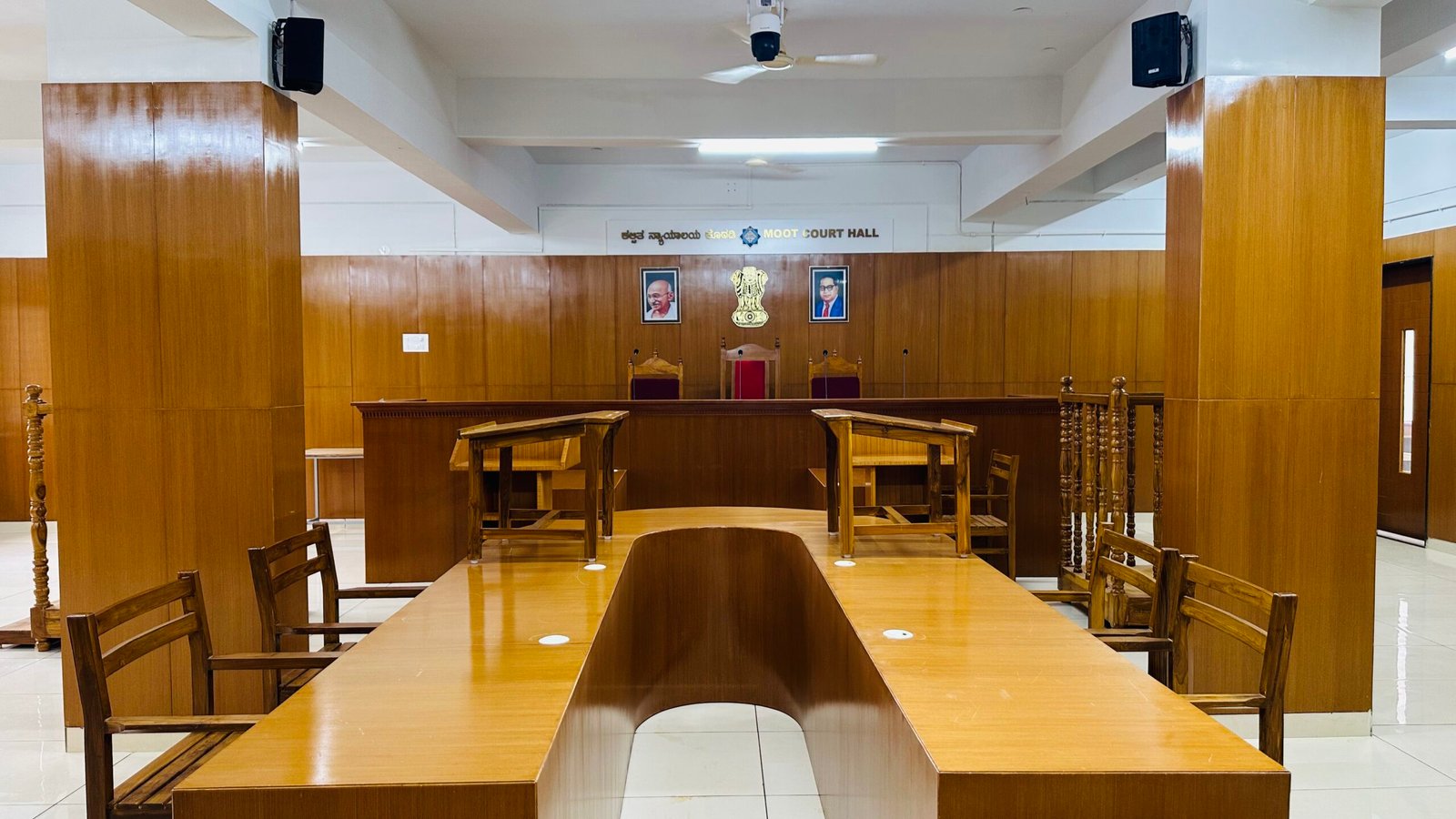
• Moot Court Exercises
• Legal Aid and Community Service Activities
These experiences bridge the gap between theoretical learning and professional practice while enhancing confidence, competence, and courtroom readiness.
Leadership Development and Personality Grooming
The legal profession demands leadership, confidence, discipline, and professional conduct. The College actively nurtures these qualities through student committees, academic events, legal aid programmes, moot courts, workshops, and community engagement initiatives.
Special emphasis is placed on personality development, grooming, self-discipline, emotional intelligence, time management, and professional etiquette. Students are guided to develop a professional outlook, appropriate workplace behaviour, and the confidence required to excel in legal and corporate environments.
- • **Crisis Management:** Negotiators must remain calm and adaptable under pressure. Our training builds the emotional intelligence required to handle high-stakes disputes while maintaining professional decorum. • **Strategic Preparation:** Students learn to research and identify the Best Alternative to a Negotiated Agreement (BATNA), ensuring they never enter a negotiation without a clear strategy and fallback plan.
- Minimum GPA/grade requirements as set by the university.
- For graduate programs: a recognized bachelor’s degree with required CGPA.
- For graduate programs: a recognized bachelor’s
Research and Intellectual Development
Research forms an integral component of legal education. The College encourages students and faculty members to engage in scholarly activities that contribute to legal discourse, policy development, and societal progress.
Students are motivated to participate in:
• Research Projects
• Paper Presentations
• Academic Seminars
• Legal Writing Competitions
• Conferences and Workshops
The institution aspires to nurture a vibrant research culture that promotes innovation, critical thinking, evidence-based legal scholarship, and intellectual excellence.
- • **Crisis Management:** Negotiators must remain calm and adaptable under pressure. Our training builds the emotional intelligence required to handle high-stakes disputes while maintaining professional decorum. • **Strategic Preparation:** Students learn to research and identify the Best Alternative to a Negotiated Agreement (BATNA), ensuring they never enter a negotiation without a clear strategy and fallback plan.
- Minimum GPA/grade requirements as set by the university.
- For graduate programs: a recognized bachelor’s degree with required CGPA.
- For graduate programs: a recognized bachelor’s
Technology-Enabled Learning
Recognizing the changing landscape of legal education and practice, the College incorporates technology into the teaching-learning process. Modern classrooms, digital resources, online learning tools, and electronic legal databases support an interactive and contemporary educational experience.
Students are encouraged to develop technological competence alongside legal knowledge, preparing themselves for an increasingly digital legal profession.
- Completed secondary education (HSC/A-Level/Equivalent).
- Minimum GPA/grade requirements as set by the university.
- For graduate programs: a recognized bachelor’s degree with required CGPA.
- For graduate programs: a recognized bachelor’s
Professional Etiquette and Career Readiness
The College believes that professional success depends not only on legal knowledge but also on professional conduct and workplace readiness. Students are trained in professional etiquette, courtroom decorum, client relations, teamwork, organizational behaviour, and ethical legal practices.
This comprehensive approach ensures that graduates enter the legal profession with confidence, competence, and a strong sense of professionalism.
- Completed secondary education (HSC/A-Level/Equivalent).
- Minimum GPA/grade requirements as set by the university.
- For graduate programs: a recognized bachelor’s degree with required CGPA.
- For graduate programs: a recognized bachelor’s
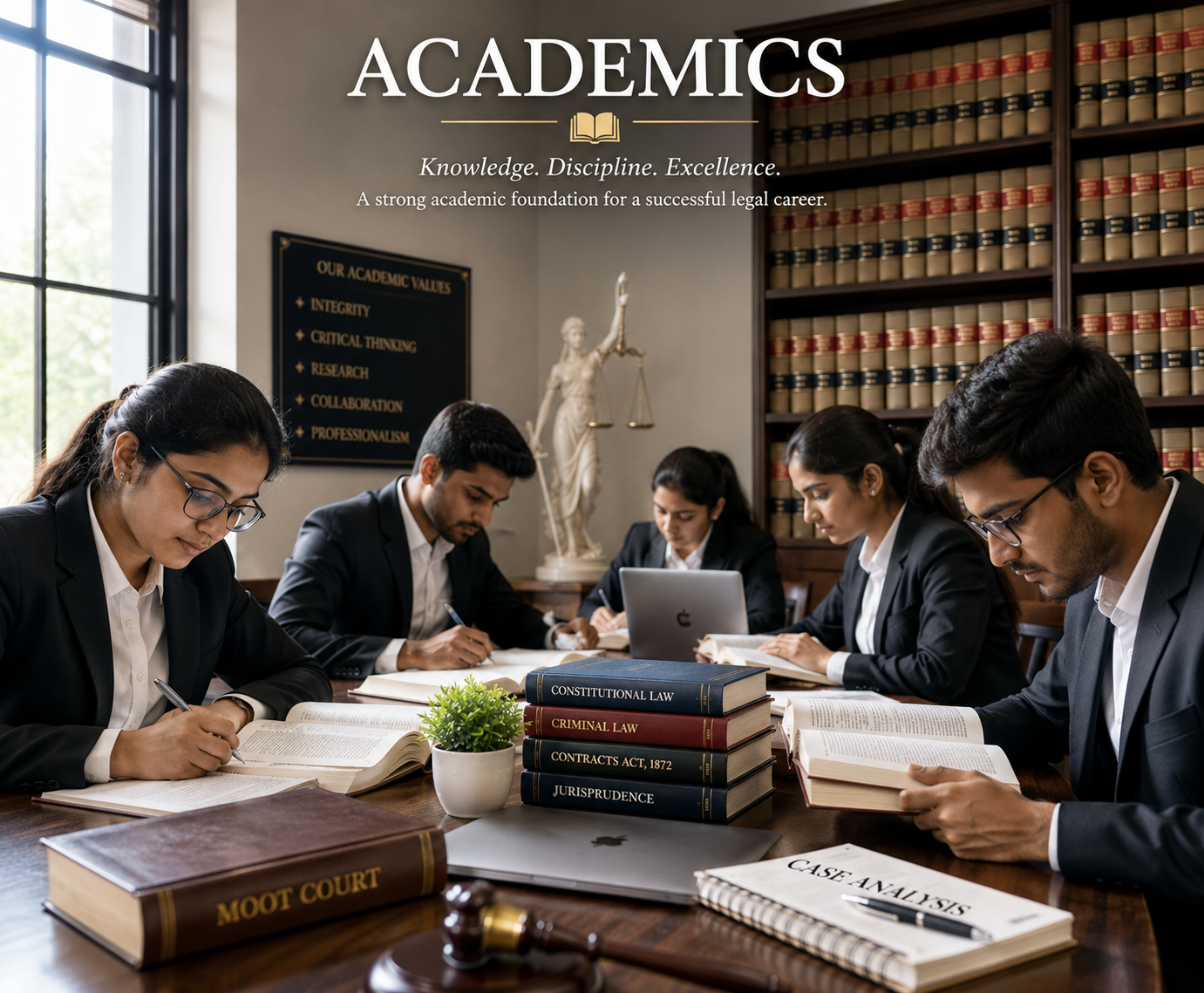
Preparing Future Legal Professionals
The academic vision of Shri P. V. Joshi Law College is to produce graduates who possess:
• Strong legal knowledge
• Practical legal skills
• Ethical and professional integrity
• Effective communication and advocacy skills
• Leadership qualities
• Professional etiquette and confidence
• Civic responsibility and social awareness
• Commitment to social justice
• Technological competence
• Capacity for lifelong learning
The institution strives to create an environment where future advocates, judges, legal advisors, academicians, policymakers, and social leaders can flourish. Through a harmonious blend of academic excellence, practical training, ethical values, leadership development, communication skills, and co-curricular engagement, Shri P. V. Joshi Law College remains committed to shaping competent legal professionals and responsible citizens dedicated to the advancement of justice and public welfare.
- Completed secondary education (HSC/A-Level/Equivalent).
- Minimum GPA/grade requirements as set by the university.
- For graduate programs: a recognized bachelor’s degree with required CGPA.
- For graduate programs: a recognized bachelor’s